Miami-Dade property guide
Black Mold Removal: What Homeowners Need to Know
Dark spots on drywall, a musty room or growth after a leak can raise questions about your property. Learn what “black mold” means, how removal is planned, and what to expect from an assessment or remediation quote.
In this guide
Quick Answer
Black mold removal involves addressing the moisture problem and cleaning or removing affected materials. The work depends on the extent of the growth, the materials involved and the conditions in the property.
“Black mold” describes appearance; color alone does not identify the mold or establish its health effects. Miami Mold Remediation can evaluate your concerns and explain the appropriate next step.
Every remediation project receives a property-specific quote. Start with a free phone consultation at (786) 829-7088.
What Is Black Mold, and How Can You Identify It?
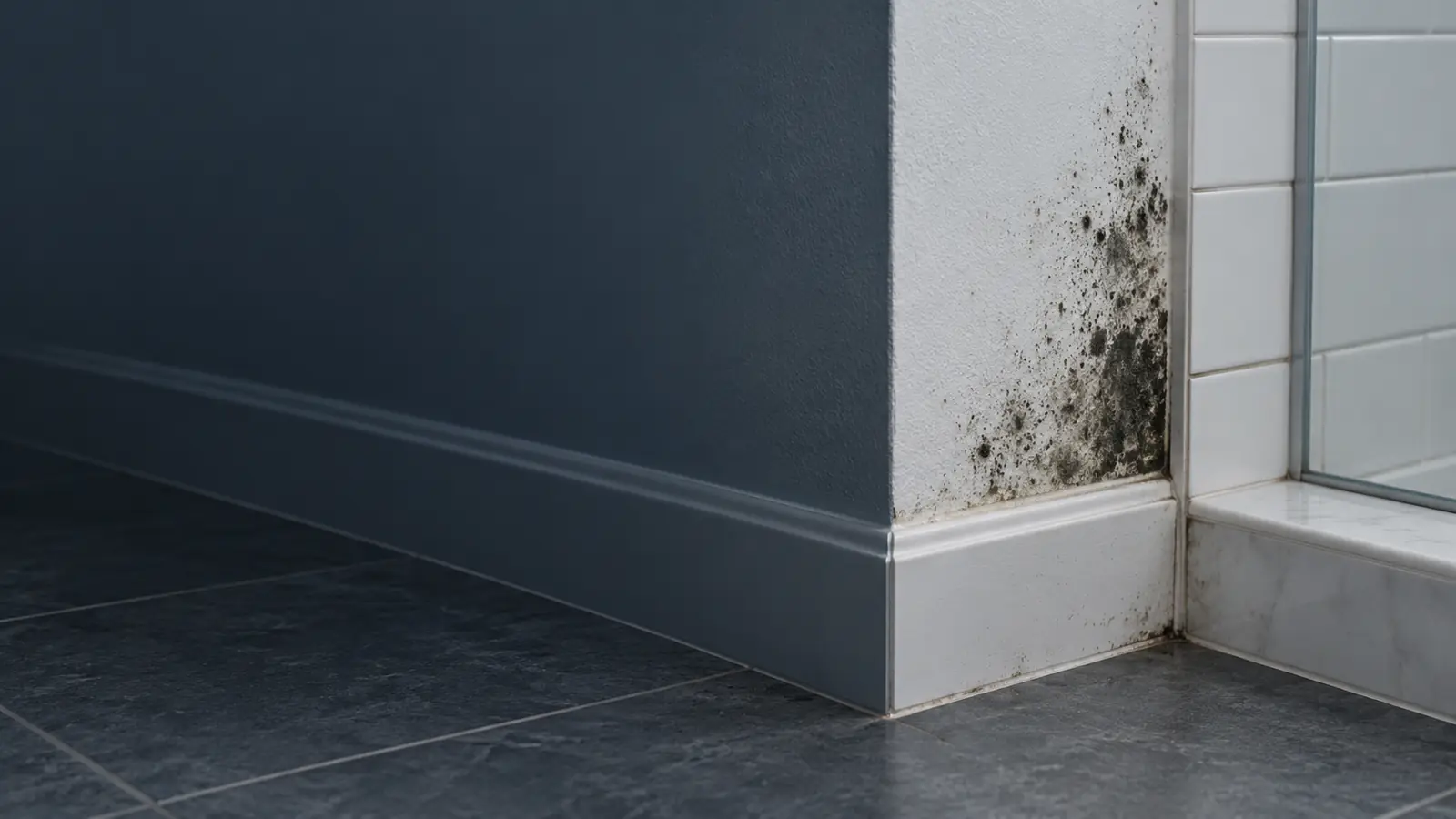
People often use “black mold” to describe dark-colored growth. The term is also commonly associated with Stachybotrys chartarum, a greenish-black mold that can grow on persistently damp materials such as paper-faced drywall and fiberboard.
A photograph or visual inspection alone cannot establish that dark growth is Stachybotrys. Other molds can have a similar appearance.
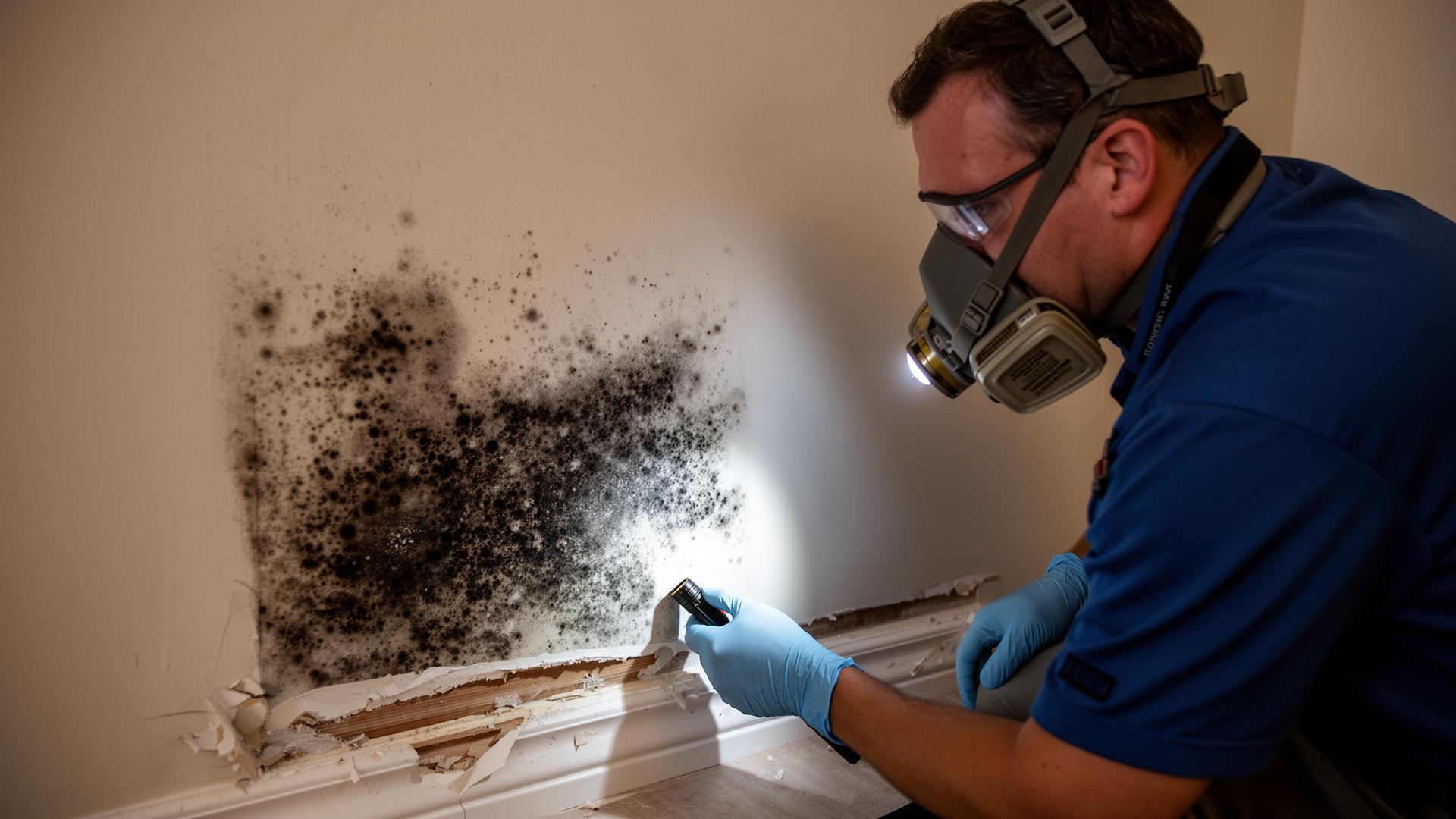
An assessment considers the visible conditions, moisture readings, property history and relevant sample results. Laboratory findings depend on the samples and analysis performed; they should be interpreted alongside the rest of the assessment.
The CDC’s Stachybotrys guidance emphasizes addressing indoor mold regardless of its type. Correcting the moisture problem and planning the cleanup matter more than judging growth by its color.
What Health Effects Can Mold Cause?
Exposure to damp or moldy environments can cause symptoms in some people and no symptoms in others. Possible effects include nasal irritation, coughing, wheezing, irritated eyes or a skin rash. People with asthma, mold allergies or certain other health conditions may be more affected. See the CDC’s mold and health guidance.
A property assessment does not diagnose an illness or prove that mold caused someone’s symptoms. Discuss persistent symptoms or individual health concerns with a healthcare professional.
Our role is to evaluate or remediate the property within the agreed scope and provide clear documentation of the work.
What Does Black Mold Removal and Remediation Involve?
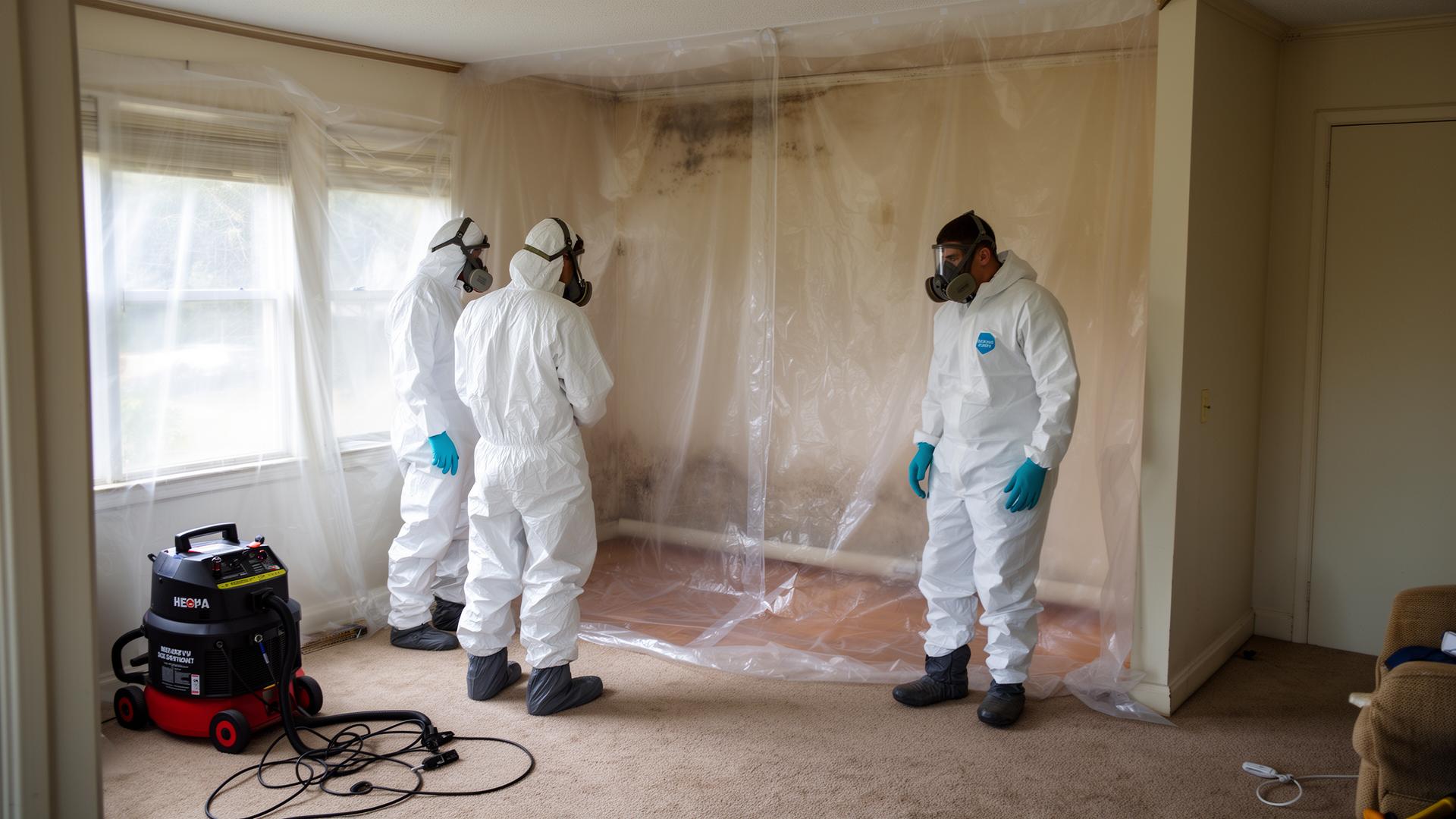
A remediation plan addresses the affected materials, moisture conditions and measures needed to limit the spread of debris during the work.
Control the moisture source
Active water intrusion needs to be controlled before remediation proceeds. Permanent plumbing, roofing or HVAC repairs are handled by the appropriate contractor.
You can contact us promptly to discuss the situation. Depending on conditions, we may assist with temporary measures such as shutting off the water supply or arranging a roof tarp.
Contain the work area and address affected materials
The agreed scope may include containment, cleaning, air filtration and removal of affected drywall, insulation, flooring, baseboards or cabinets.
The necessary precautions are determined by the project. A dark color alone does not determine the size of the work area or the procedure.
Monitor conditions and plan the next steps
Drying or air-filtration equipment may remain in place for several days, with monitoring and moisture readings as needed.
Miami Mold Remediation performs remediation and removal only; it does not perform mold assessments, sampling, laboratory testing or clearance. When an assessment or post-remediation clearance is needed, it is arranged and paid for separately with a licensed assessor of your choice, often the assessor who evaluated the property first. Our sister company, Miami Mold Assessment, is one option; both companies share a common parent, Miami Mold Authority.
Replacement drywall, painting and rebuilding are handled by the contractor you choose. Learn more about our mold removal services in Miami.
Can You Remove Black Mold Yourself?
The appropriate response depends on the amount of growth, the materials affected, the water source and the conditions around the work. Extensive water damage, suspected hidden growth, contaminated water or involvement of an HVAC system are reasons to seek experienced professional help.
Opening walls or disturbing affected materials can spread mold and debris. Avoid painting over suspected growth or assuming a surface wipe has addressed mold within porous materials.
The EPA’s mold cleanup guidance explains that some small areas may be manageable by the homeowner, while larger or more complicated problems call for additional expertise.
If you are unsure about the scope, start with a free phone consultation. We can explain how the work would be scoped and when an independent assessment may help.
How Can You Help Prevent Mold From Returning?
Moisture control is central to preventing another mold problem.
- Repair leaks and address recurring condensation.
- Arrange prompt drying after water damage.
- Maintain bathroom and kitchen exhaust ventilation.
- Have AC drainage or equipment problems addressed by an HVAC specialist.
- Check previously affected areas for new dampness, odors or visible changes.
The EPA recommends keeping indoor relative humidity below 60%, ideally 30–50%, where possible. A humidity reading describes the air; it does not establish that wet building materials have dried. Read the EPA’s moisture-control guidance.
For next steps after a leak or flood, read mold after water damage.
How Much Does Black Mold Removal Cost?
Remediation is quoted for the property. The affected area, materials, access, containment, drying needs and removal scope all influence the work and price. We confirm the proposed scope and quote before work begins.
If you want the conditions evaluated first, arrange an assessment with a licensed assessor of your choice; Miami Mold Remediation does not perform sampling or laboratory testing.
Assessment results and reports usually return within 24–48 hours. Assessment payment is due upon arrival, and credit cards are accepted. Commercial assessments receive a property-specific quote.
Assessment fees are separate from a remediation quote. Learn about mold testing in Miami from Miami Mold Assessment.
Trusted Resources
Related Guides
Frequently Asked Questions
How can I tell whether dark mold is Stachybotrys?
Appearance alone cannot establish the type of mold. An assessor can explain whether sampling would answer your questions and interpret the laboratory findings with the property conditions. Do not use color as a measure of health risk.
How quickly does black mold spread?
There is no single timetable for every mold or property. Growth depends on available moisture and other conditions. Address leaks and damp materials promptly rather than waiting for the affected area to become larger.
Is black mold always dangerous?
Color alone does not tell you how a particular person will be affected. Mold exposure can cause symptoms in some people, and indoor growth should be addressed. A healthcare professional should evaluate personal health concerns; property testing cannot diagnose them.
Will homeowners insurance cover black mold removal?
Coverage may apply when mold results from a covered loss and your policy provides applicable coverage. Terms, exclusions, limits and deductibles vary. You pay Miami Mold Remediation directly, and we provide documentation relevant to the service for you to submit to your insurer. Read our mold insurance coverage guide.
How long does black mold remediation take?
For a residential mold remediation project, initial setup on the first day usually takes about 1–2 hours. Drying equipment remains running at the property for about 3–5 days, depending on moisture conditions and the scope of work. The crew returns as needed to check the equipment and moisture readings. The schedule is based on the work needed, rather than the mold’s color alone. Separate clearance testing and reconstruction can add time beyond our remediation work.
Discuss a Mold Concern in Your Miami-Dade Property
Tell us where you have noticed suspected growth, whether there has been a leak and which materials appear affected. We can explain the next step and confirm the appropriate service and quote.
Every remediation project receives a property-specific quote. Start with a free phone consultation at (786) 829-7088.
Start with a free phone consultation. Emergency mold remediation is available 24/7.