Miami-Dade property guide
Is Mold Remediation Dangerous?
Understand the risks of disturbing mold, how professional remediation manages those risks, and what to discuss before work begins in your home or business.
On This Page
Quick Answer
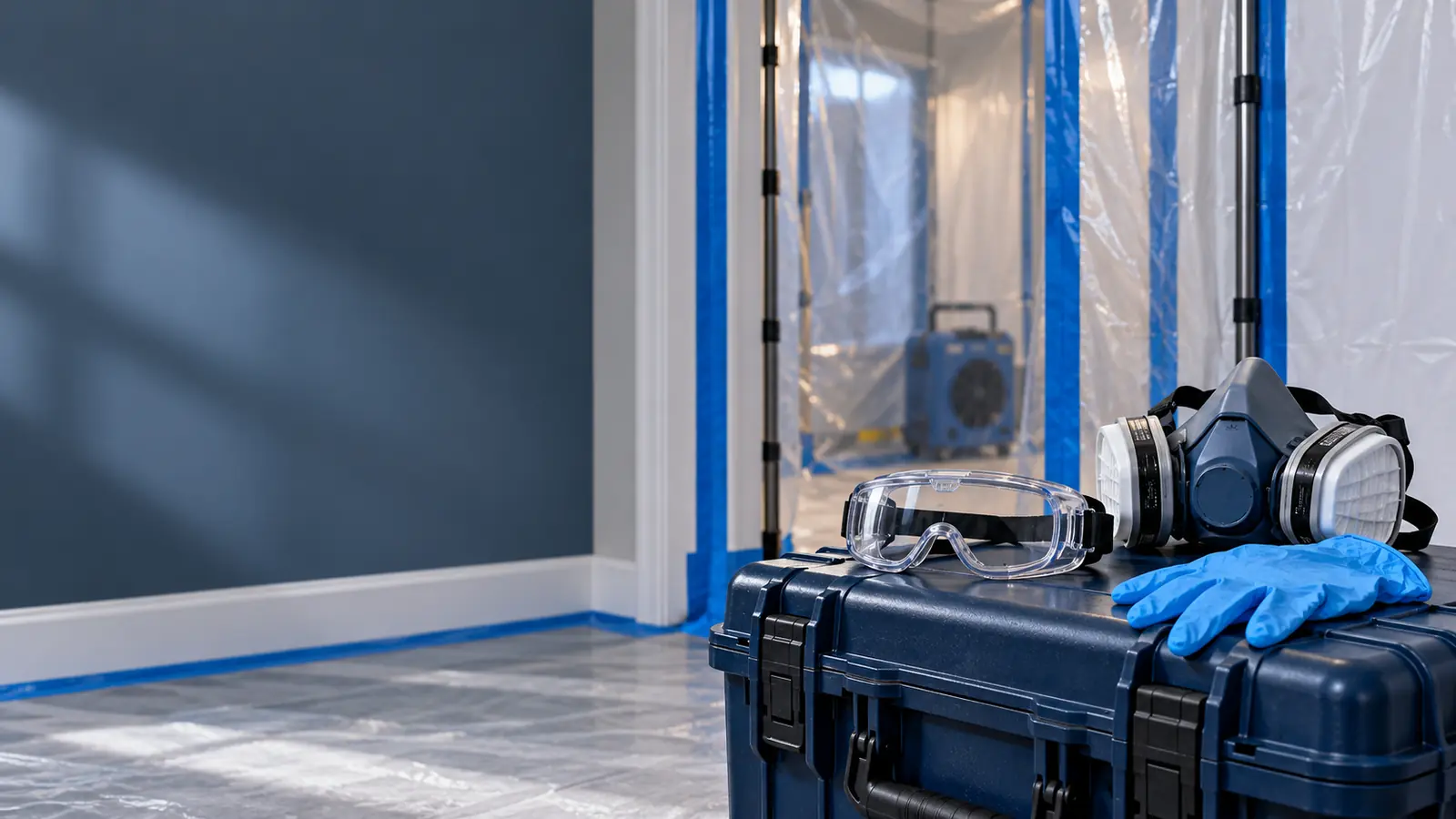
Mold remediation can create exposure and construction hazards when affected materials are disturbed. A project-specific plan uses containment, controlled removal, appropriate protective equipment and cleanup to reduce those risks.
You may be able to stay in an unaffected part of your home if it can remain separated from the work. Nobody should enter the contained work area during remediation without the crew’s authorization and required protection.
Discuss access, shared ventilation, occupants’ concerns and the conditions for returning to the area before the job starts.
What Makes Mold Remediation Potentially Dangerous?
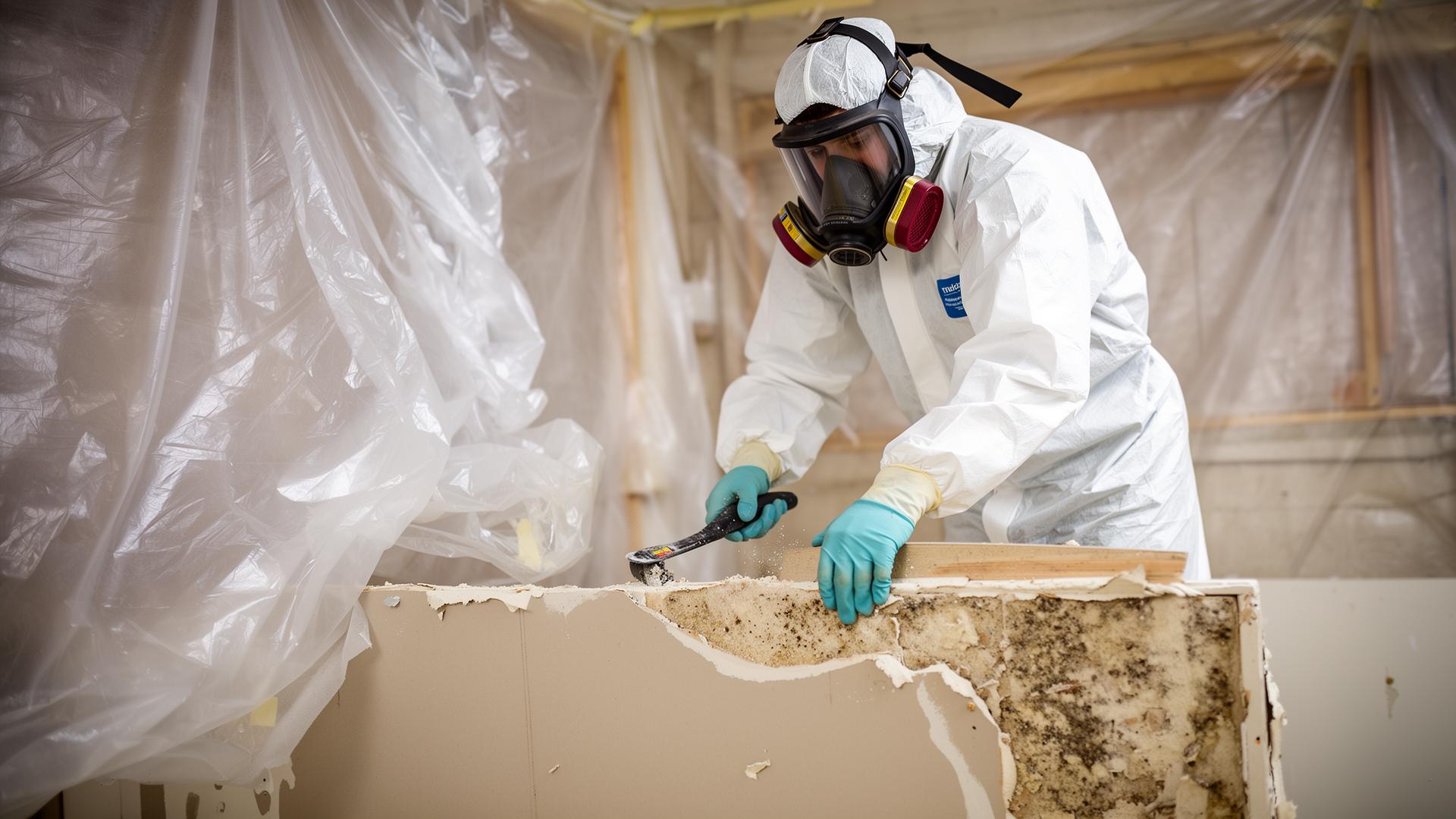
Removing affected drywall, insulation or other materials can release dust and mold particles. Handling debris and working around tools and equipment also introduces ordinary construction hazards.
That is why the work should begin with a defined scope and a plan for protecting people and surrounding areas. The EPA’s remediation guidance addresses containment, protective equipment, material handling and occupant communication. EPA: Planning and Performing Mold Remediation.
Does mold color determine the risk?
Color alone does not establish the extent of the problem or the precautions a project needs. Describe the visible growth, moisture history and affected materials when you call.
For that topic in more detail, see our black mold remediation guide.
How Do Professionals Reduce Remediation Risks?
A remediation plan should explain how the work area will be managed and how affected materials will leave the property.
| Part of the plan | What it is intended to do |
|---|---|
| Containment and controlled access | Separate the work area from surrounding spaces and keep unauthorized people out. |
| Airflow and filtration controls | Help limit the movement of airborne particles during the work. |
| Controlled material removal | Manage affected debris as it is removed and carried out. |
| Cleaning and moisture checks | Address remaining debris and evaluate drying within the agreed scope. |
The equipment and containment arrangement depend on the property and work involved. Barriers and filtration reduce exposure risks; they are not a guarantee that every surrounding space is unaffected.
Before work begins, confirm which rooms will be restricted, the crew’s access route and how you will receive updates. The EPA emphasizes tailoring the plan to the job and revising it when new conditions are discovered. EPA: Remediation Planning.
For the complete work sequence, read what happens during professional mold remediation.
Why Do Remediation Workers Wear Protective Equipment?
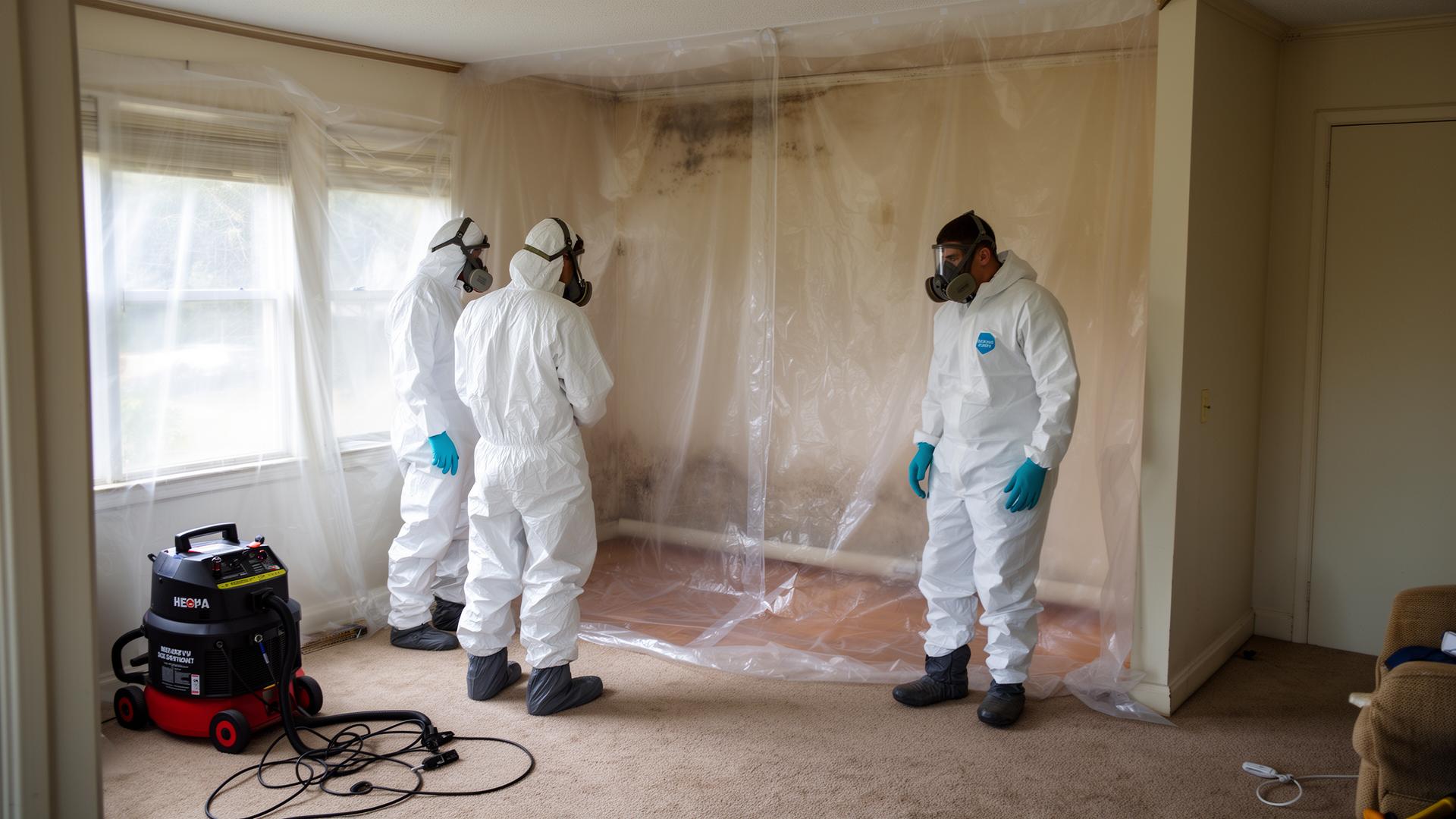
Workers may need respiratory protection, gloves, eye protection and protective clothing appropriate to the work and products involved.
Worker protective equipment does not make the work zone suitable for occupants. A homeowner should not enter simply because they have put on a mask.
The EPA discusses selecting protection for the exposure involved, including training, medical clearance and fit testing for certain respirators. EPA: Protective Equipment Guidance.
Ask the crew to arrange retrieval of belongings before the area is closed off. Keep children, pets and visitors away from barriers, tools and equipment.
Can You Stay Home During Mold Remediation?
Often, you can remain in a separate, unaffected part of the home if the project allows it. The decision depends on the location and extent of the work, available living space, access and ventilation arrangements.
If the work affects the whole home or suitable separation is not available, plan for another place to stay. Discuss individual health concerns with a healthcare professional when deciding where to remain during the job.
What should you confirm before work starts?
- Which rooms and routes will be off limits.
- Whether you can still access a bathroom, kitchen and sleeping area.
- How any shared AC or ventilation will be handled.
- Whether equipment needs to run after the crew leaves.
- Who to contact if a barrier is damaged or you notice a new concern.
Keep containment closed and leave equipment settings to the crew. The crew’s departure for the day does not mean the work area has reopened.
Miami Mold Remediation addresses property damage within the agreed remediation scope. AC repairs and work inside HVAC equipment or ducts require an HVAC specialist.
For condos and commercial properties, we can coordinate access, permitted work hours and phased scheduling with management.
Are Mold Remediation Products Safe?
Product precautions depend on what is used, where it is applied and the label instructions. An antimicrobial treatment should not be described as automatically harmless to every occupant or pet.
Ask for the product name, label precautions and Safety Data Sheet when applicable. Confirm any ventilation, access restrictions or waiting period before application.
Treatment does not replace removing affected material when needed, cleaning or correcting the moisture source. The EPA explains that remediation involves removing contamination rather than simply killing mold, and it does not recommend biocides as a routine practice in every situation. EPA: Mold Cleanup and Biocides.
Do not add your own sprays or cleaning products to an active work area. Tell the crew about any products already applied.
When Can You Use the Remediated Area Again?
Confirm the reopening conditions with the remediation company. Do not use the area just because demolition has finished, an odor has faded or the equipment sounds quieter.
Before returning, clarify:
- Whether the agreed removal, cleaning and drying work is complete.
- Whether the moisture source has been controlled and any permanent repairs remain.
- Whether product-specific access restrictions have ended.
- Whether any requested post-remediation assessment has been completed.
- Who will remove containment and confirm access.
What does clearance testing establish?
A post-remediation assessment can document conditions in the areas evaluated. It should be interpreted with the scope, visual findings and moisture information.
A clearance result is not a medical guarantee for every occupant. The CDC notes that mold sampling cannot predict whether someone will become sick. CDC: Mold and Home Testing.
When Miami Mold Remediation performs remediation, a separate licensed assessor of your choice handles clearance testing if requested by you or your insurance company. That service is arranged and paid separately and is not included in our remediation quote.
Frequently Asked Questions
Is it safe for my family to stay home during mold remediation?
You may be able to stay in a separate, unaffected area when the project allows appropriate separation and access. Stay out of the contained work zone.
If suitable living space is unavailable, or an occupant has health concerns about remaining, discuss alternative arrangements before work begins. We review the property’s access and work-area restrictions with you.
What health effects can mold exposure cause?
The CDC reports that damp and moldy environments may cause allergic or respiratory effects in some people and no effects in others. People with asthma, mold allergies, weakened immune systems or chronic lung conditions may need additional precautions. CDC: Possible Health Effects.
Discuss symptoms or personal exposure concerns with a healthcare professional. A remediation contractor cannot diagnose an illness or determine whether mold caused it.
How long should I wait after treatment products are used?
There is no single waiting period for every product and project. Follow the product-specific instructions and the crew’s access guidance.
Ask about this before application, especially if people or pets will remain elsewhere in the property. Do not use odor alone to decide when to return.
What if I notice dust outside containment or a damaged barrier?
Stay away from the affected area and notify the crew promptly. Do not open the barrier, adjust equipment or attempt to clean around the active work zone yourself.
Describe what you noticed and where. Ask the remediation company to evaluate the condition and explain any corrective steps before access resumes.
Trusted Resources
Related Guides
Plan Mold Remediation Around Your Property
Tell us about the affected areas, water damage and access concerns. We provide residential and commercial mold remediation throughout Miami-Dade, with 24/7 emergency remediation availability.
Every remediation quote is based on the property and agreed scope. We explain the work areas, access restrictions and expected equipment schedule before work begins.