Miami-Dade property guide
When Is Mold Remediation Necessary?
Understand which property conditions call for professional help and how to decide the next step.
On This Page
Quick Answer
Professional mold remediation is worth discussing when growth is extensive, hidden or recurring, affects materials that may need removal, or follows significant water damage.
The right response depends on the affected materials, moisture conditions, location and work needed. The size of a visible patch is only part of that decision.
Visible mold is a reason to call. We discuss the concern and document the proposed remediation scope so you understand what needs to be addressed. An independent assessment can also be arranged separately with a licensed assessor.
What Signs Suggest You Need Professional Mold Remediation?
Discuss professional evaluation when you notice:
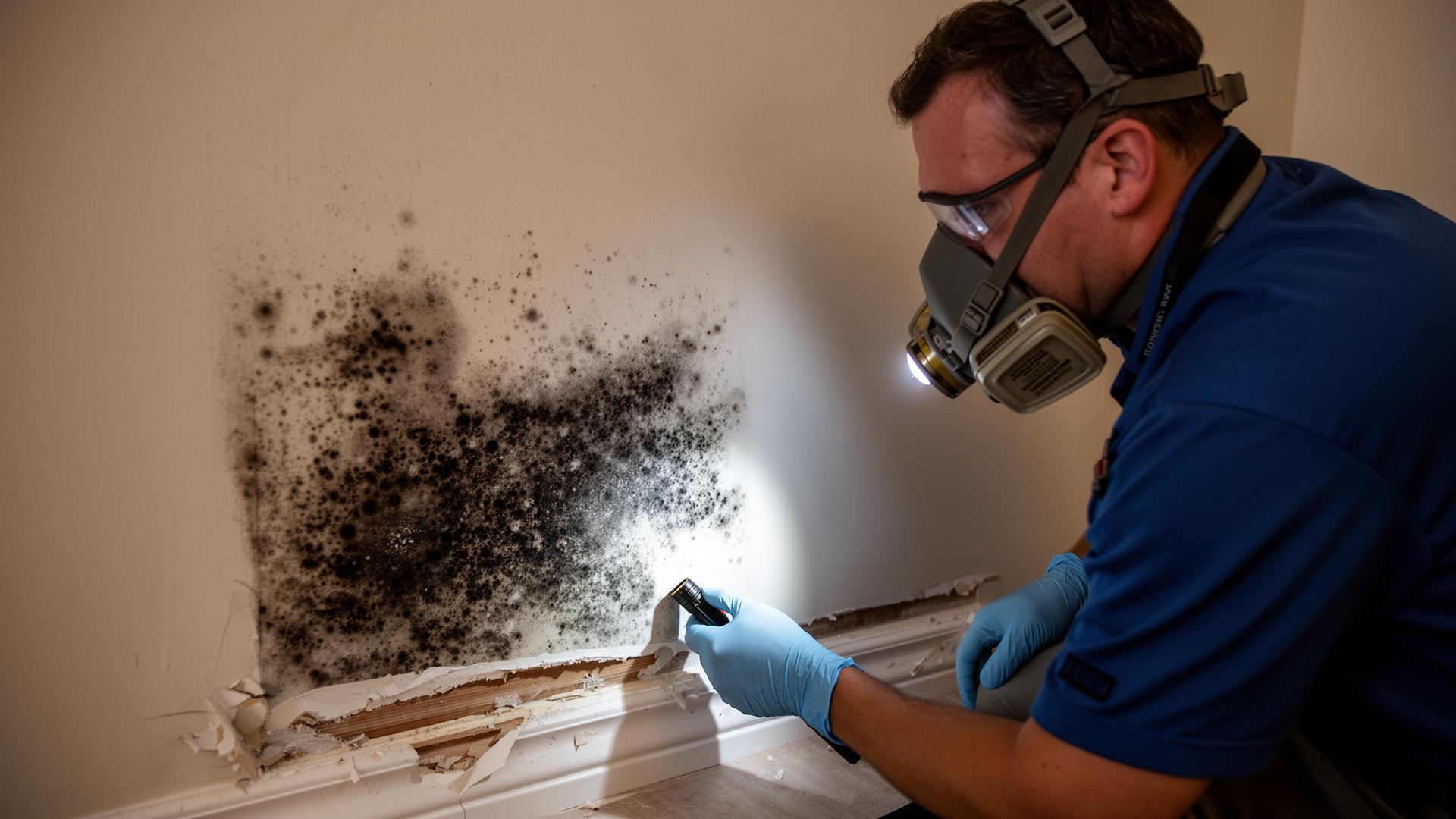
- Growth across a larger area or in several locations.
- Mold that returns after cleaning.
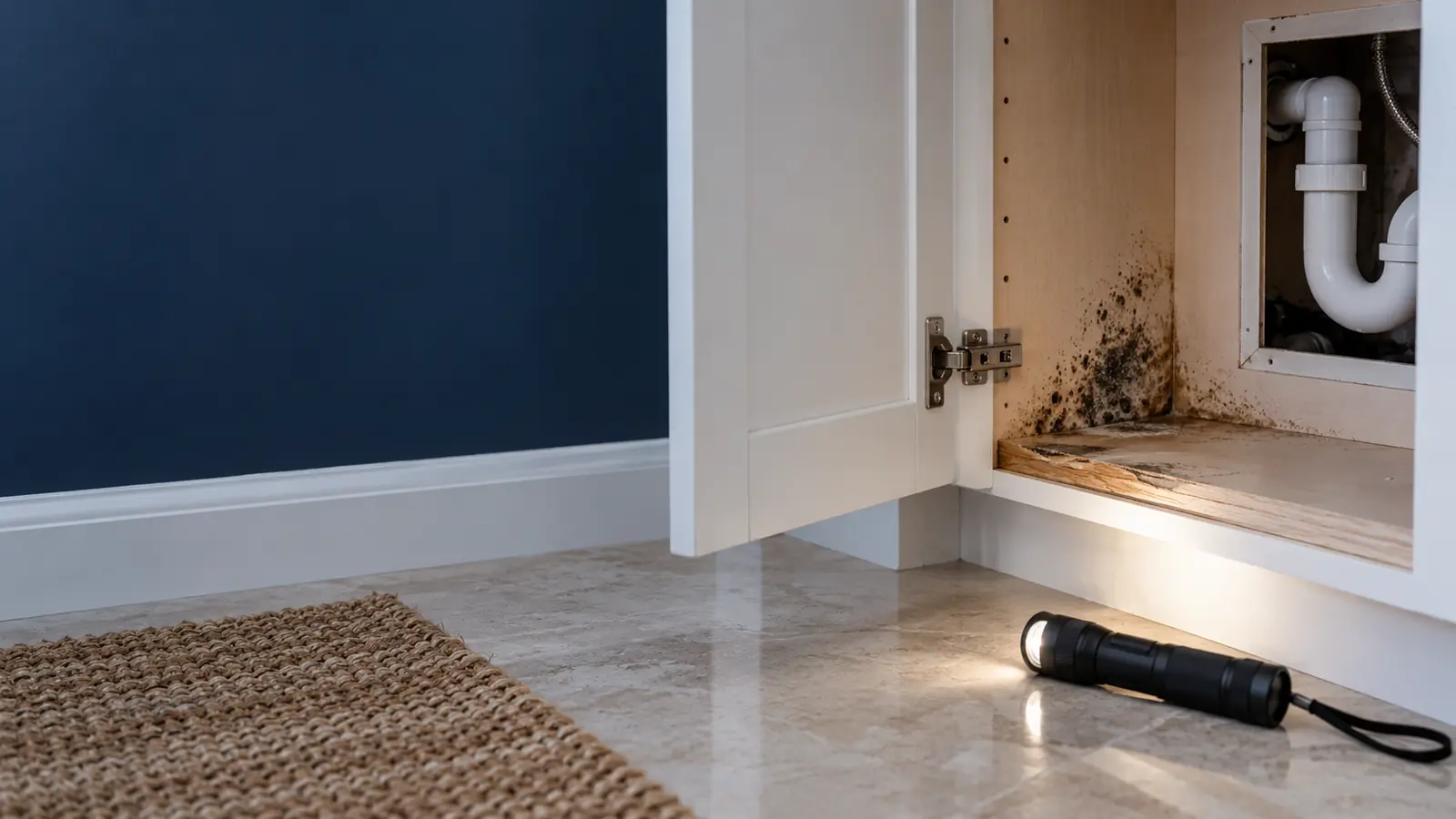
- Suspected growth behind drywall, beneath flooring or in another concealed space.
- A persistent musty odor with an unclear source.
- Mold on materials that may need controlled removal.
- Significant water damage, continuing dampness or suspected HVAC contamination.
These observations help identify what needs investigation. An odor or stain alone does not establish the full extent of a mold problem.
If mold is growing indoors, cleanup and correction of the moisture problem both matter. CDC: Mold.
How Much Mold Requires Professional Cleanup?
There is no single patch size that answers every cleanup question.
EPA guidance says homeowners can often handle an area smaller than about 10 square feet, while more extensive growth or substantial water damage calls for additional guidance. EPA also identifies circumstances that warrant professional help, including sewage or other contaminated water. EPA: Mold Cleanup in Your Home.
Consider the whole situation:
| What you find | What to consider next |
|---|---|
| A small area on a hard surface | Review EPA cleanup guidance, address moisture and seek help if you are unsure. |
| Growth over a larger area or in several rooms | Discuss professional assessment and the scope of cleanup. |
| Mold on drywall, insulation or other absorbent materials | Determine whether affected materials can be cleaned or need removal. |
| Recurring growth or an unexplained odor | Evaluate moisture conditions and possible concealed concerns. |
| Sewage or other contaminated-water damage | Contact a professional experienced with that type of contamination. |
The EPA size guideline is not a determination of legal requirements for your property. Those questions are covered separately in our guide to whether mold remediation is required by law.
Why Do Water Damage and Building Materials Matter?
The moisture source and the condition of the materials affect the cleanup plan.
Some hard surfaces can be cleaned. Moldy absorbent materials may be difficult to clean completely and may require removal. EPA gives examples such as ceiling tiles and carpet. EPA: Cleanup Tips and Techniques.
Dry wet areas promptly. CDC recommends cleaning and drying a home within 24–48 hours after a flood to help prevent mold growth. That prevention window does not prove that every material still wet afterward is contaminated. CDC: Preventing Mold.
You can contact Miami Mold Remediation while arranging leak repairs. Active water intrusion must be controlled before remediation proceeds. A plumber, roofer or HVAC specialist handles permanent repairs to the source.
Our removal scope may include affected drywall, insulation, flooring, baseboards and cabinets when included in the agreed quote. Replacement and rebuilding are arranged with the contractor you choose.
For guidance after a new water event, see mold after water damage.
When Do HVAC Issues or Health Concerns Need Extra Care?
Suspected mold inside an AC system
EPA advises against running an HVAC system known or suspected to be contaminated with mold because it could spread contamination. Arrange evaluation by an appropriate specialist. EPA: Mold Cleanup and HVAC Precautions.
Miami Mold Remediation can remediate resulting damage to surrounding building materials within the agreed scope. We do not repair HVAC equipment or clean inside AC systems and ducts.
Health concerns in the household
Damp and moldy environments can affect people differently. People with asthma, mold allergies, weakened immune systems or certain lung conditions may need additional precautions. Discuss health concerns with a healthcare professional before participating in cleanup. CDC: Possible Health Effects.
An assessment evaluates property conditions. It does not diagnose an illness or establish that mold caused someone’s symptoms.
Should You Get a Mold Assessment Before Remediation?
An independent assessment can document the concern and guide the remediation scope; it is arranged separately with a licensed assessor.
The assessment can help clarify the areas being evaluated, moisture concerns, sampling findings and recommended next steps.
A written remediation protocol explains the recommended approach to cleanup. It gives the homeowner and remediation company a clearer basis for discussing the work.
Miami Mold Remediation’s assessment includes visual evaluation, moisture readings in areas of concern, air and swab sampling, laboratory analysis, a full report and a remediation protocol.
Miami Mold Remediation performs remediation and removal only; it does not perform mold assessments, sampling, laboratory testing or clearance. When an assessment or post-remediation clearance is needed, it is arranged and paid for separately with a licensed assessor of your choice, often the assessor who evaluated the property first. Our sister company, Miami Mold Assessment, is one option; both companies share a common parent, Miami Mold Authority.
See when to arrange mold testing and assessment for more on evaluating a concern.
What Should You Do Before Remediation Begins?
- Document the concern. Take photographs and note when you first noticed growth, odors or water damage.
- Address active water intrusion. Arrange help to control the water and repair the source.
- Discuss the assessment findings. Share existing reports, laboratory results and any remediation protocol.
- Review the written scope and quote. Confirm the affected areas, materials, access arrangements and work included.
- Plan for follow-up. Discuss whether separate clearance testing is requested or required and who will provide it.
Avoid opening walls or pulling out suspected moldy materials simply to investigate. Discuss access and any necessary removal with the professionals handling the project.
For the work itself, see what happens during mold remediation.
Frequently Asked Questions
Can I paint over mold instead of arranging cleanup?
Clean up the mold and dry the surface before painting or caulking. Paint does not address the moisture problem or replace cleanup. EPA notes that paint applied over moldy surfaces is likely to peel. EPA: Mold Cleanup in Your Home.
Have a recurring or unexplained stain evaluated before covering it.
Does every affected material need to be removed?
No. The decision depends on the material and its condition. Some hard surfaces can be cleaned, while moldy absorbent materials may need removal. EPA: Cleanup Tips and Techniques.
The agreed scope should explain which materials will be cleaned and which will be removed.
Can I stay home during remediation?
You may be able to stay in unaffected parts of the home when the work area can be separated and conditions allow.
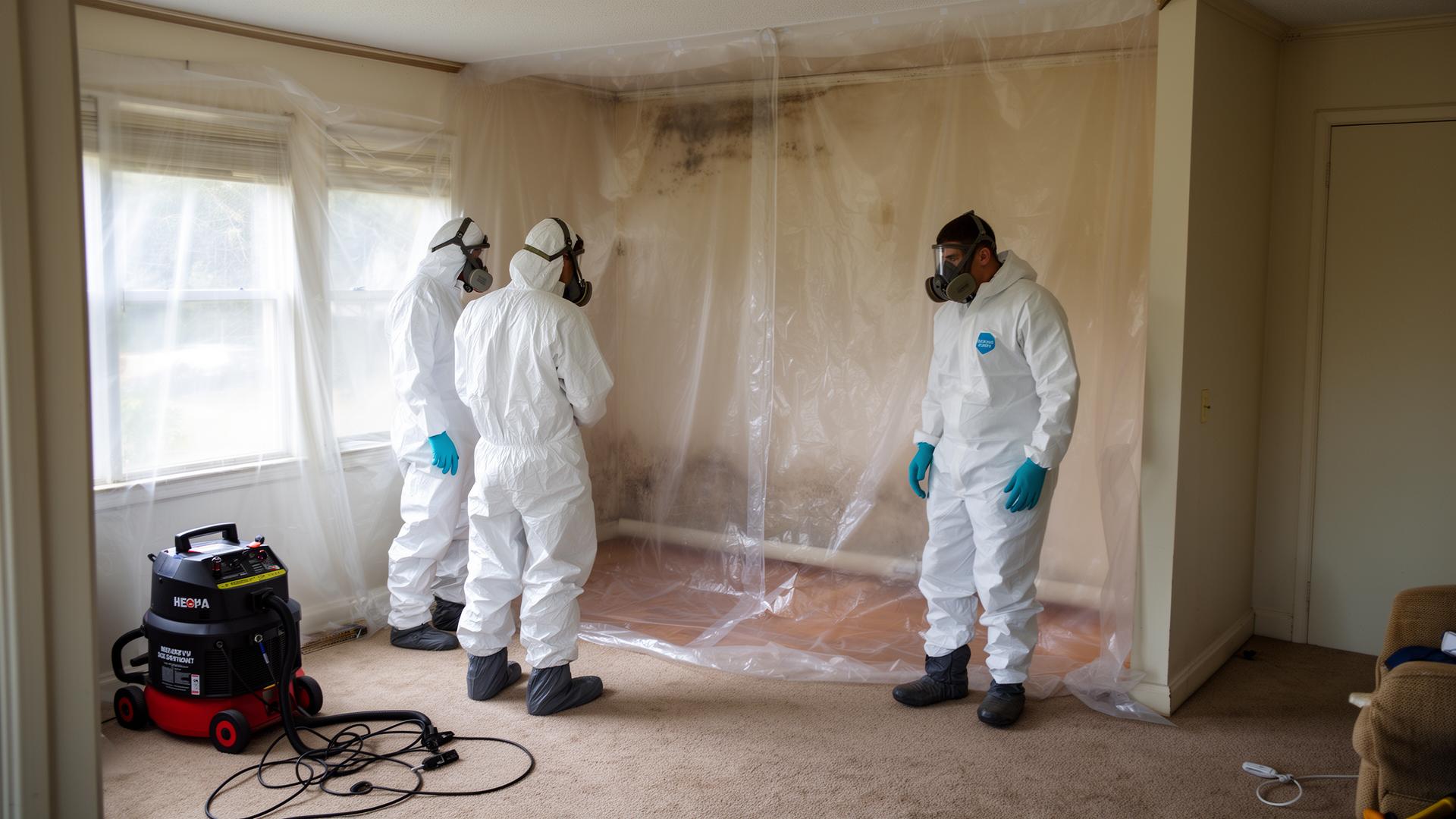
Nobody should enter the contained remediation area during the work. We discuss access and occupancy arrangements for the specific project before work begins.
How soon should I call after finding mold?
Contact us promptly, especially if water is still entering the property, materials remain wet or the concern is spreading.
You can call while arranging the appropriate leak repair. We will discuss the property conditions and the next step. Emergency remediation is available 24/7.
Trusted Resources
Related Guides
Get Help Deciding the Next Step
Tell us what you have noticed, which areas are affected and whether there is an active leak or an existing assessment report.
Every remediation project receives a property-specific quote. Start with a free phone consultation at (786) 829-7088.
Miami Mold Remediation serves residential and commercial properties throughout Miami-Dade County. We confirm the scope and price before the visit.