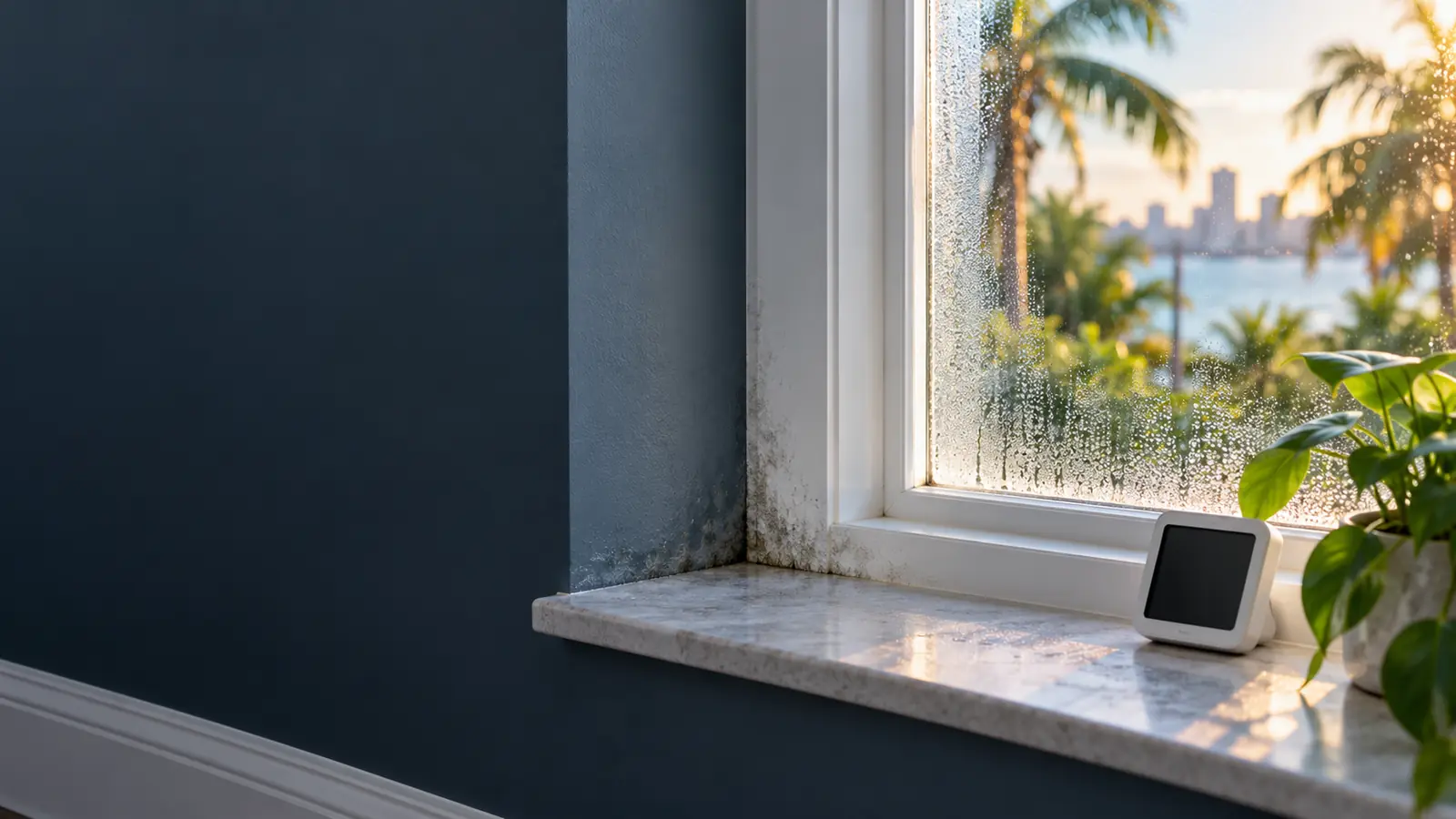
Miami-Dade property guide
Can Mold Come Back After Remediation?
Understand why mold can return, what to watch for and how to respond to a new concern.
On This Page
Quick Answer
Yes. Mold can return after remediation if moisture remains, a new leak develops or affected material was not fully addressed.
A new concern needs to be evaluated against the current moisture conditions and the original work. Its location alone does not establish whether the previous cleanup was incomplete or a new problem has developed.
Prompt repairs, moisture control and attention to new warning signs help reduce the chance of another mold problem.
Why Can Mold Return After Remediation?
Mold growth depends on moisture. Cleanup addresses the affected materials, while correcting the water problem helps prevent further growth. EPA guidance emphasizes both parts of that work. EPA: Mold, Moisture and Your Home.
Possible explanations for a returning concern include:
- An unresolved moisture source: a leak, condensation problem or other source continues to wet materials.
- A new water event: a later plumbing leak, roof leak or AC-related water problem affects the property.
- Remaining affected material: an area needs further evaluation or cleanup.
- Another affected location: the concern is outside the original work area.
These possibilities require different responses. The next step is to evaluate what is happening now and compare it with the original findings and scope.
Does Returning Mold Mean the Original Remediation Failed?
Returning mold warrants investigation. It does not, by itself, establish what caused the problem or who is responsible.
| What you notice | What needs to be reviewed |
|---|---|
| Growth in the same area | Current moisture, previous findings, the agreed scope and completed work. |
| Growth in another room | Whether that area was previously evaluated and whether there is a separate moisture source. |
| A concern after another leak | What became wet and which materials were affected by the new event. |
| An odor or stain without obvious growth | Whether there is current moisture or mold, residual staining or another cause. |
Keep the original assessment, remediation protocol, estimate, photographs and any clearance report available. These records help the assessor and remediation company understand the history.
For evaluating a project at completion, see how to tell whether mold remediation worked.
How Can You Reduce the Chance of Mold Returning?
Make moisture control part of the property's ongoing maintenance:
- Repair leaks promptly. Address plumbing, roofing and other water-entry problems.
- Respond to damp materials. Investigate new wet spots, condensation, peeling paint or swelling materials.
- Monitor indoor humidity. A humidity gauge can help you notice persistent changes.
- Maintain the AC system. Have an HVAC specialist address equipment, drainage or humidity-control concerns.
- Use appropriate ventilation. Manage moisture from bathrooms, kitchens and other damp areas.
EPA recommends keeping indoor relative humidity below 60%, ideally between 30% and 50% when possible. Persistent high readings or condensation deserve attention. EPA: Mold Prevention.
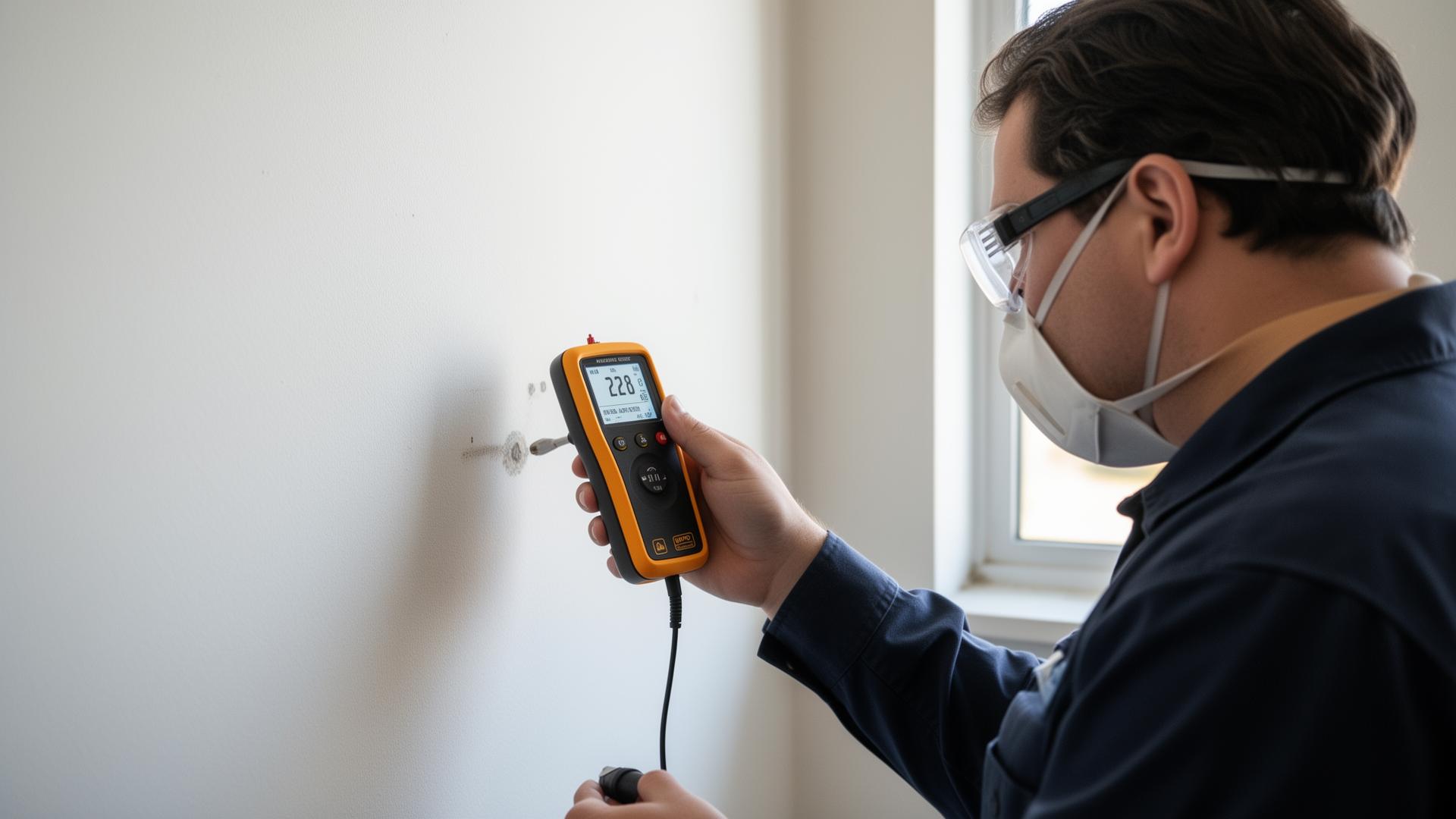
A room's humidity reading does not tell you whether material inside a wall is wet. If an odor or visible concern persists despite a normal room reading, discuss an assessment.
For a new leak or water event, see what to do about mold concerns after water damage.
What Should You Do If Mold Appears Again?
- Document what you notice. Photograph the area and note when the growth, odor or moisture first appeared.
- Report active water intrusion promptly. Arrange help to control the water and repair its source.
- Avoid disturbing suspected growth. Do not open walls or pull away affected materials just to investigate.
- Contact the remediation company and assessor. Share the location, recent changes and previous project records.
- Confirm the next scope before work begins. Discuss what needs evaluation, who will perform it and any additional cost.
You can contact us while arranging the appropriate leak repair. Active water intrusion must be controlled before remediation proceeds.
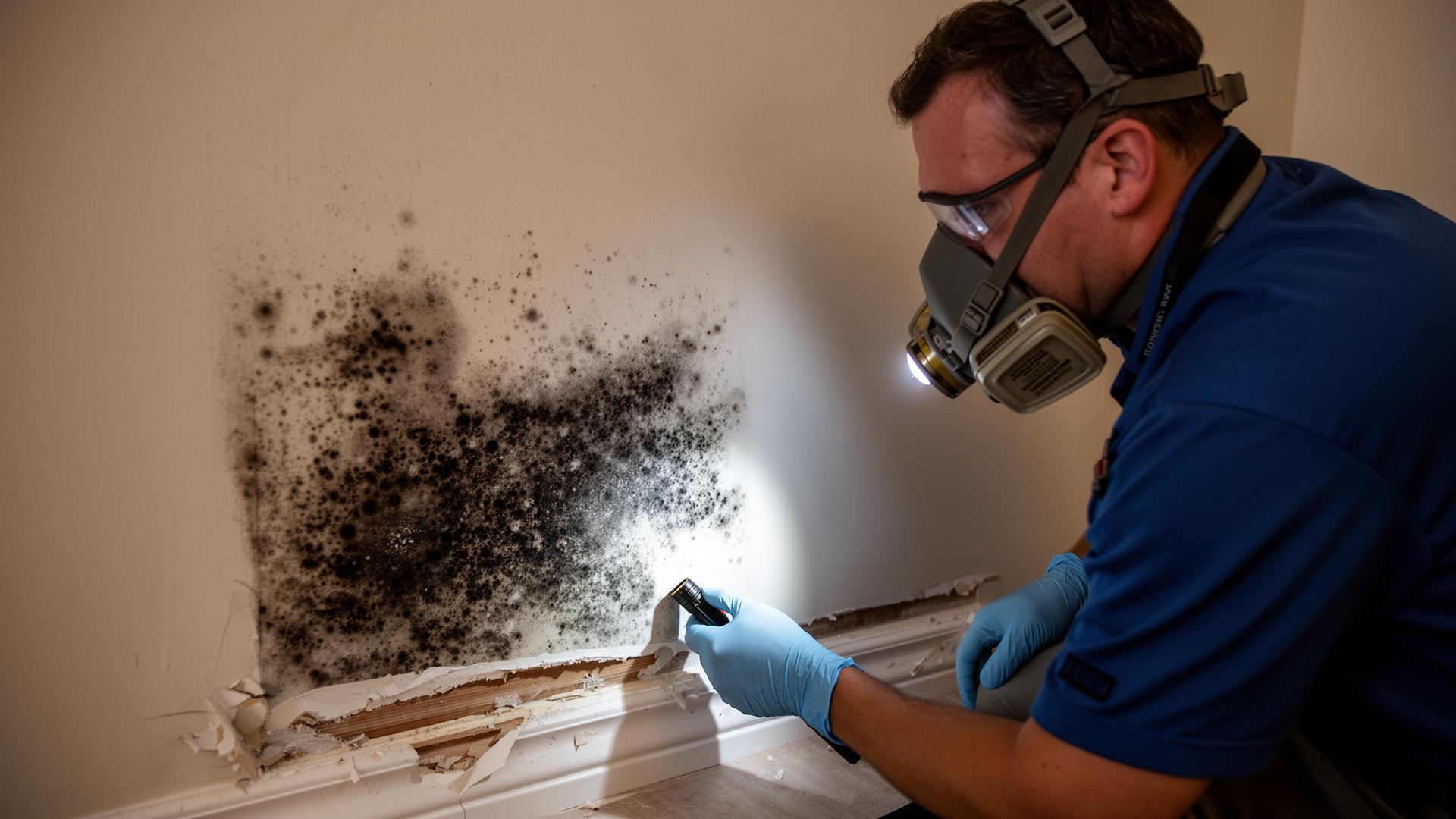
If concealed growth is suspected, investigation needs care because disturbing moldy materials can spread contamination. EPA: Finding Mold and Moisture.
When Should You Arrange Another Mold Assessment?
Discuss another assessment when you notice:
- New or returning visible mold.
- A persistent musty odor.
- Another leak or recurring dampness.
- A concern in an area that was not previously evaluated.
- Findings that need clarification before more cleanup or rebuilding.
An assessment can combine visual observations, moisture readings and sampling to document the current concern. The report and remediation protocol help guide any recommended cleanup.
Share previous reports and explain what has changed. We will discuss whether new remediation work is needed and whether you may want an independent assessment or clearance, arranged separately with a licensed assessor.
For guidance on when testing makes sense, see when to test for mold from Miami Mold Assessment.
Frequently Asked Questions
How soon could mold return after remediation?
There is no fixed waiting period. The timing depends on moisture, the materials involved and the conditions at the property.
Report new dampness, growth or odors promptly. The number of days since cleanup alone does not establish whether the concern is related to the original work.
Can mold return after a passing clearance result?
Yes. Clearance documents the conditions evaluated at the time of that visit. It does not prevent a later leak or guarantee against new growth.
Air-sample results also need to be considered alongside the inspection findings. EPA: Evaluating Mold Remediation.
Should I automatically test again every year?
We do not recommend the same testing schedule for every property. Follow-up should reflect the property's history, current findings and any specific project requirements.
New growth, persistent odors or another water event are reasons to discuss evaluation promptly, regardless of when the last test took place.
Should I paint over a returning stain?
Have an unexplained or recurring stain evaluated before covering it. A stain alone does not prove active mold, but painting over mold or damp material does not resolve the cause.
EPA recommends cleaning up mold and drying surfaces before painting or caulking. EPA: Mold Cleanup in Your Home.
Who handles plumbing, roofing or HVAC repairs?
The appropriate plumber, roofer or HVAC specialist handles permanent repairs.
Miami Mold Remediation can remediate resulting damage within the agreed scope. We may assist with temporary measures such as shutting off the main water supply or arranging a roof tarp, depending on the situation. We do not repair HVAC equipment or clean inside AC systems and ducts.
Trusted Resources
Related Guides
Get Help With a Returning Mold Concern
Tell us what you have noticed, when the previous work was completed and whether there has been another leak. Share any existing reports so we can discuss the appropriate next step.
Every remediation project receives a property-specific quote. Start with a free phone consultation at (786) 829-7088.
Scope and pricing are confirmed before the visit. Payment is due upon arrival, and credit cards are accepted.
Miami Mold Remediation serves residential and commercial properties throughout Miami-Dade County. Emergency remediation is available 24/7.