Miami-Dade property guide
How to Choose a Legitimate Mold Remediation Company in Miami
Know what to verify, what to ask and what your written proposal should explain before you hire a mold company.
On This Page
Quick Answer
Start by verifying the professional’s relevant Florida license, requesting insurance information and reviewing a written scope of work. Ask who will perform the work, what the price includes and how additional work will be approved.
Reviews and certifications can help you evaluate a provider, but they should support those checks. A low price, a familiar logo or a confident sales pitch does not explain what will happen at your property.
Miami Mold Remediation provides mold remediation and removal throughout Miami-Dade. We explain the scope and pricing before work begins; assessments and clearance are arranged separately with a licensed assessor.
How Do You Verify a Mold Company’s Florida License?
Ask for the professional’s name, license number and license category, then check the current record through Florida DBPR.
Florida has separate license categories for mold assessment and mold remediation:
- Mold Assessor — MRSA: The assessment role, including evaluation, sampling, reporting and remediation protocols.
- Mold Remediator — MRSR: The remediation role, including the work to address affected mold conditions.
Use the Florida DBPR license lookup to search the information provided. Confirm the name, license type, current status and expiration date, and review any available disciplinary information.
Ask how the listed professional is connected to the company and your project. A license number on an advertisement should match a verifiable record.
Licensing rules include definitions and exceptions. For that detail, read our Florida mold licensing and requirements guide.
What Certifications and Experience Should You Check?
Ask for specific credentials and experience relevant to your property. A general claim such as “certified mold expert” is difficult to evaluate without knowing who issued the credential and who holds it.
If the company advertises an industry certification, request:
- The issuing organization and exact credential name.
- The name of the person or firm that holds it.
- Information you can use to verify its current status.
- An explanation of who will supervise or perform your work.
Industry certifications and a Florida professional license serve different purposes. Check each claim on its own.
Also ask about experience with projects similar to yours: occupied homes, condo access, commercial spaces or the affected materials involved. References and reviews can help you understand communication, scheduling and how problems were handled.
Look for patterns across feedback. One review or a star rating cannot establish the quality of a proposed remediation plan.
What Warning Signs Should You Look For?
Pause when important information is missing or cannot be verified. Give the provider an opportunity to clarify before you commit.
Concerns worth resolving include:
- A license name or number that does not match the information supplied.
- Refusal to explain the affected areas or proposed work.
- Pressure to approve work before you receive the scope and payment terms.
- Vague statements about insurance coverage without documentation.
- Promises of guaranteed insurance reimbursement or a permanently mold-free property.
- Additional charges with no explanation of the work being added.
- Claims of certifications that cannot be verified with the issuing organization.
Urgent water damage can require prompt action. Urgency should still come with an explanation of the immediate work, its price and what happens next.
If a warranty or follow-up promise is offered, ask for its terms in writing, including the areas covered, conditions and exclusions.
How Should You Compare Mold Remediation Companies?
Compare proposals covering the same work. Different totals may reflect different areas, material quantities, equipment or exclusions.
| What to compare | What the proposal should clarify |
|---|---|
| Affected areas | The rooms, surfaces or sections included. |
| Material removal | Which materials will be removed and how debris will be handled. |
| Work-area controls | The planned containment, access restrictions and cleaning. |
| Equipment and monitoring | What equipment is included and how checks are handled. |
| Separate services | Assessment, clearance testing, permanent repairs and rebuilding. |
| Payment and changes | When payment is due and how additional work will be priced and approved. |
Request current insurance documentation and ask the insurer or agent to clarify whether the coverage applies to the proposed mold work. If a condo or commercial building requires a certificate of insurance, discuss that requirement before scheduling.
At Miami Mold Remediation, remediation receives a property-specific quote. We accept credit cards and do not offer financing or payment plans.
For more about comparing scope and price, see mold remediation cost in Miami.
What Should You Ask Before Work Begins?
Make sure you know who is responsible for each part of the project. These questions help turn a general promise into an understandable plan:
- Who will supervise the work, and which license applies to that role?
- Which areas and materials are included in this quote?
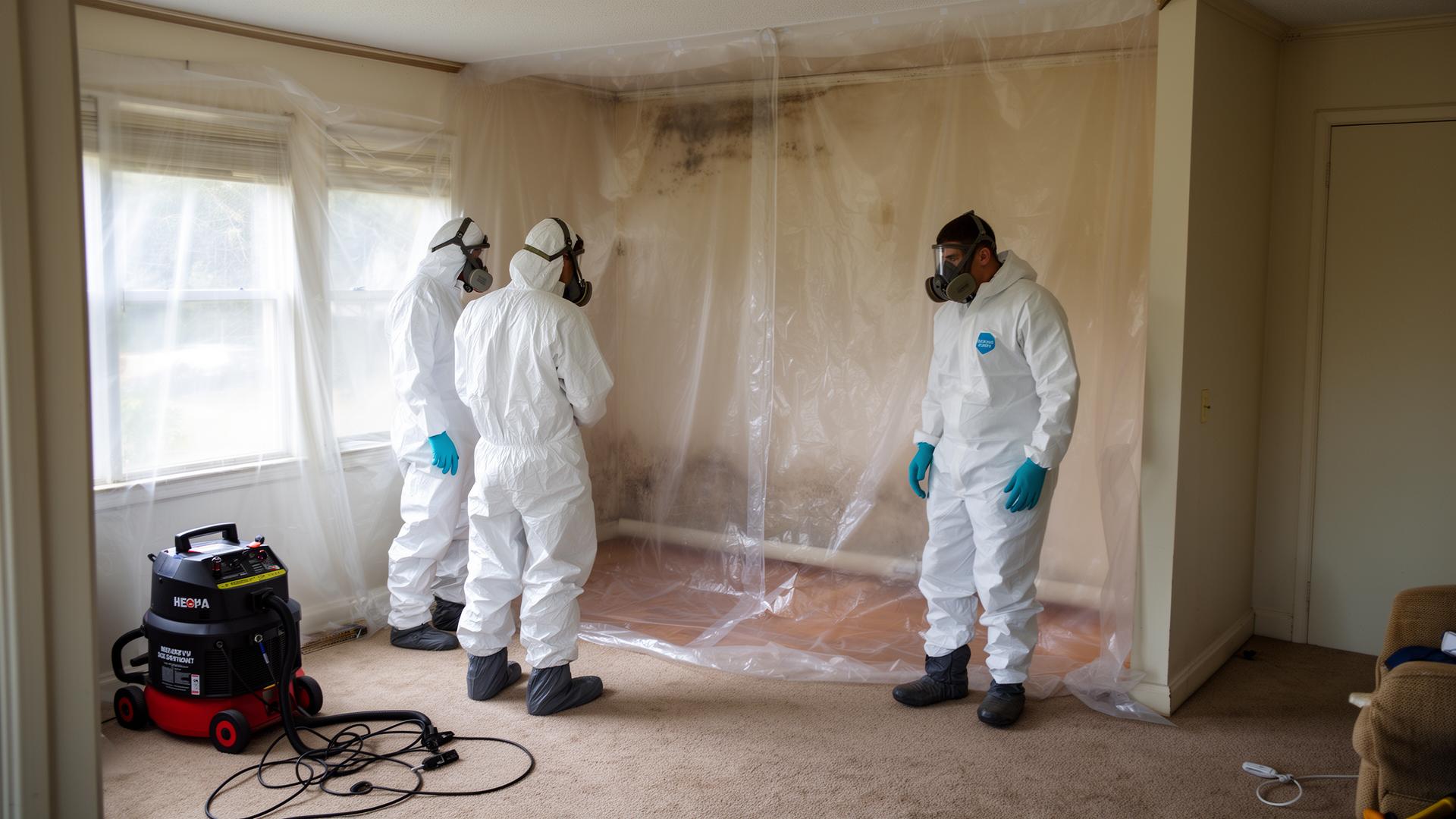
- How will the work area be contained, and where will access be restricted?
- What happens if concealed damage changes the scope?
- Which moisture-source repairs need a separate specialist?
- What equipment may remain on site, and when will it be checked or collected?
- Is clearance testing being arranged, who performs it and who pays?
- What documentation will I receive when the agreed work is complete?
Keep the answers with the written proposal. Ask the company to document any important changes before the additional work proceeds.
Our mold remediation service page explains our scope. Permanent plumbing, roofing and HVAC repairs, along with rebuilding and painting, are arranged separately with the appropriate contractor.
How Should Clearance Testing and Project Records Be Handled?
Discuss clearance arrangements before remediation begins. If the homeowner or insurance company requests post-remediation clearance testing, confirm the provider, scope, timing and separate fee.
Miami Mold Remediation performs remediation and removal only; it does not perform mold assessments, sampling, laboratory testing or clearance. When an assessment or post-remediation clearance is needed, it is arranged and paid for separately with a licensed assessor of your choice, often the assessor who evaluated the property first. Our sister company, Miami Mold Assessment, is one option; both companies share a common parent, Miami Mold Authority.
Keep the documents relevant to your project:
- The assessment report, laboratory results and remediation protocol, if an assessment was performed.
- The agreed remediation scope, quote and approved changes.
- Photos, invoices and payment records.
- Any separately commissioned clearance report.
- Any written follow-up or warranty terms provided.
These records help explain what was evaluated, performed and paid for. A clearance report relates to the conditions and areas evaluated; it is not a promise that future leaks or mold growth cannot occur.
Frequently Asked Questions
Can a company offer both mold assessment and remediation?
A business may offer both service categories, but the project roles need to be handled appropriately. Ask who will assess the property, who will perform remediation and who will conduct any requested clearance testing.
Miami Mold Remediation performs remediation only; a separate licensed assessor handles any requested assessment or clearance testing. Our Florida licensing guide explains the regulatory details.
Is the lowest remediation estimate a warning sign?
A lower price alone does not establish that a provider is unqualified. Compare the affected areas, materials, equipment, exclusions and payment terms.
Ask the provider to explain differences between proposals. A clear written scope gives you more useful information than the price alone.
Do I have to use the remediation company’s recommended assessor for clearance?
For our projects, you may choose the separate assessment company you want to use. Customers often return to the assessor who performed the original assessment.
If your insurer or building management has specific documentation or provider requirements, confirm those before booking the follow-up visit.
Can a mold company guarantee that insurance will pay?
Your insurer determines coverage and reimbursement under your policy. A contractor’s estimate does not establish that a claim is covered.
With Miami Mold Remediation, you pay us directly for the agreed services. We provide documentation for you to submit to your insurer. Read our mold insurance coverage guide for questions to discuss with your insurance company.
Trusted Resources
Related Guides
Discuss Your Project With Miami Mold Remediation
Tell us about the affected areas and share any existing assessment report or protocol. We will explain our role, the proposed scope and the pricing before work begins.
We serve residential and commercial properties throughout Miami-Dade, with 24/7 emergency remediation availability. Ask us for the license and insurance information needed for your project or building.