Miami-Dade property guide
Does Mold Remediation Really Work?
Understand what a successful cleanup should achieve and how to evaluate the results.
On This Page
Quick Answer
Yes. Professional mold remediation can successfully address existing mold growth when the moisture problem is corrected and the affected areas are properly cleaned or removed.
Evaluate the completed work against the agreed scope, the condition of the treated area and any assessment or clearance findings. A clean-looking surface or a single laboratory number does not tell the whole story.
The goal is to address the mold problem and the conditions supporting it. Remediation does not make a property immune to future leaks or new growth.
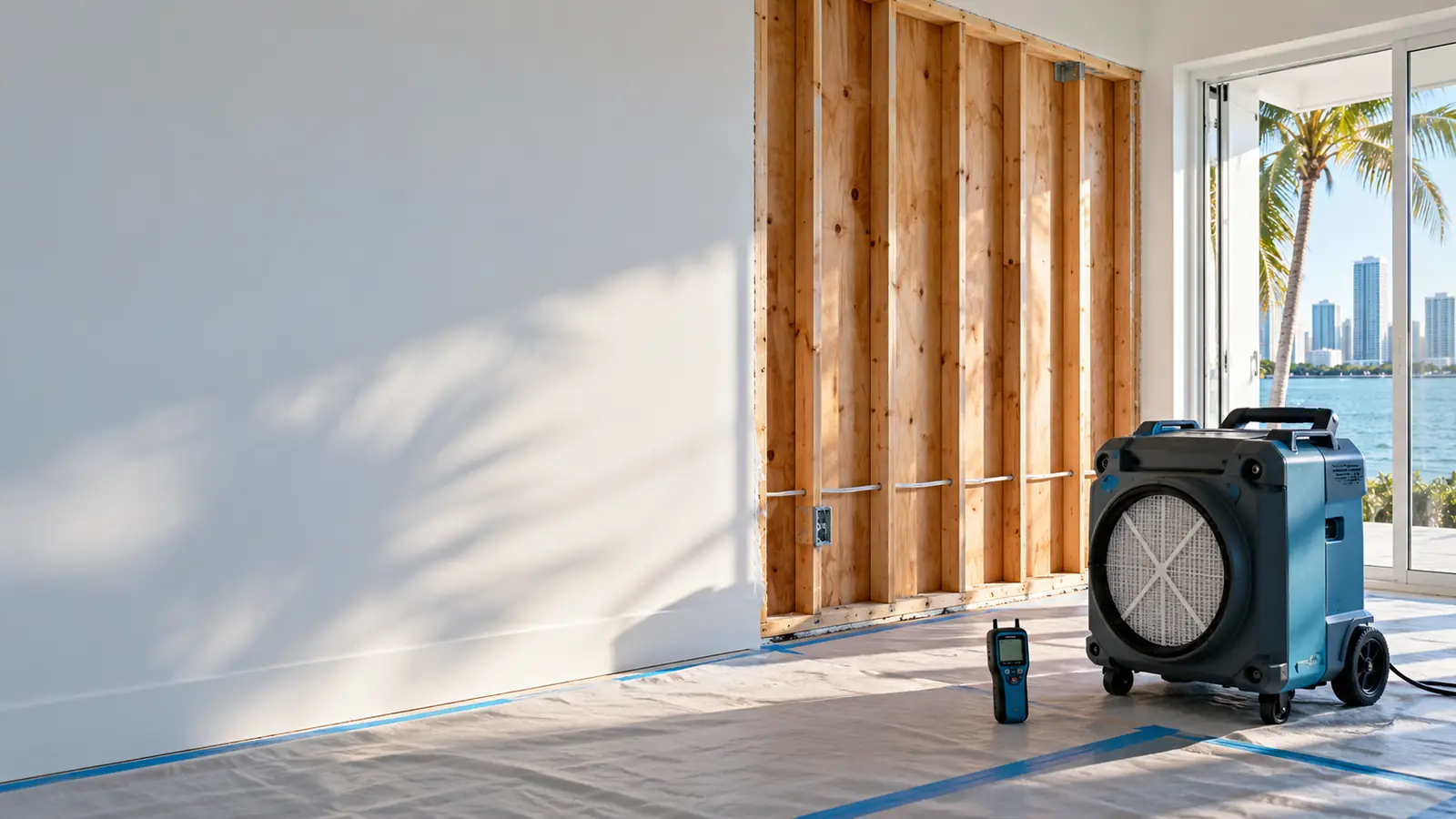
How Do You Know Mold Remediation Worked?
Review the result as a whole. Important questions include:
| What to review | What you want to establish |
|---|---|
| Moisture source | The water or moisture problem has been corrected. |
| Agreed work | The cleanup and removal in the written scope have been completed. |
| Treated area | No remaining visible mold or moldy odors; any remaining damaged materials or concerns have been evaluated. |
| Moisture conditions | The evaluated materials have dried appropriately, based on their condition and the professional's findings. |
| Clearance, when arranged | The assessor has reviewed the evaluated conditions and explained the findings and any recommended follow-up. |
EPA guidance considers moisture correction, removal, visual conditions and odors when evaluating remediation. Sampling can provide additional information, but it does not replace inspection of the area. EPA: Evaluating Mold Remediation.
If something remains unresolved, ask the remediation company and assessor to explain what was found and what needs to happen next.
What Does Post-Remediation Clearance Tell You?
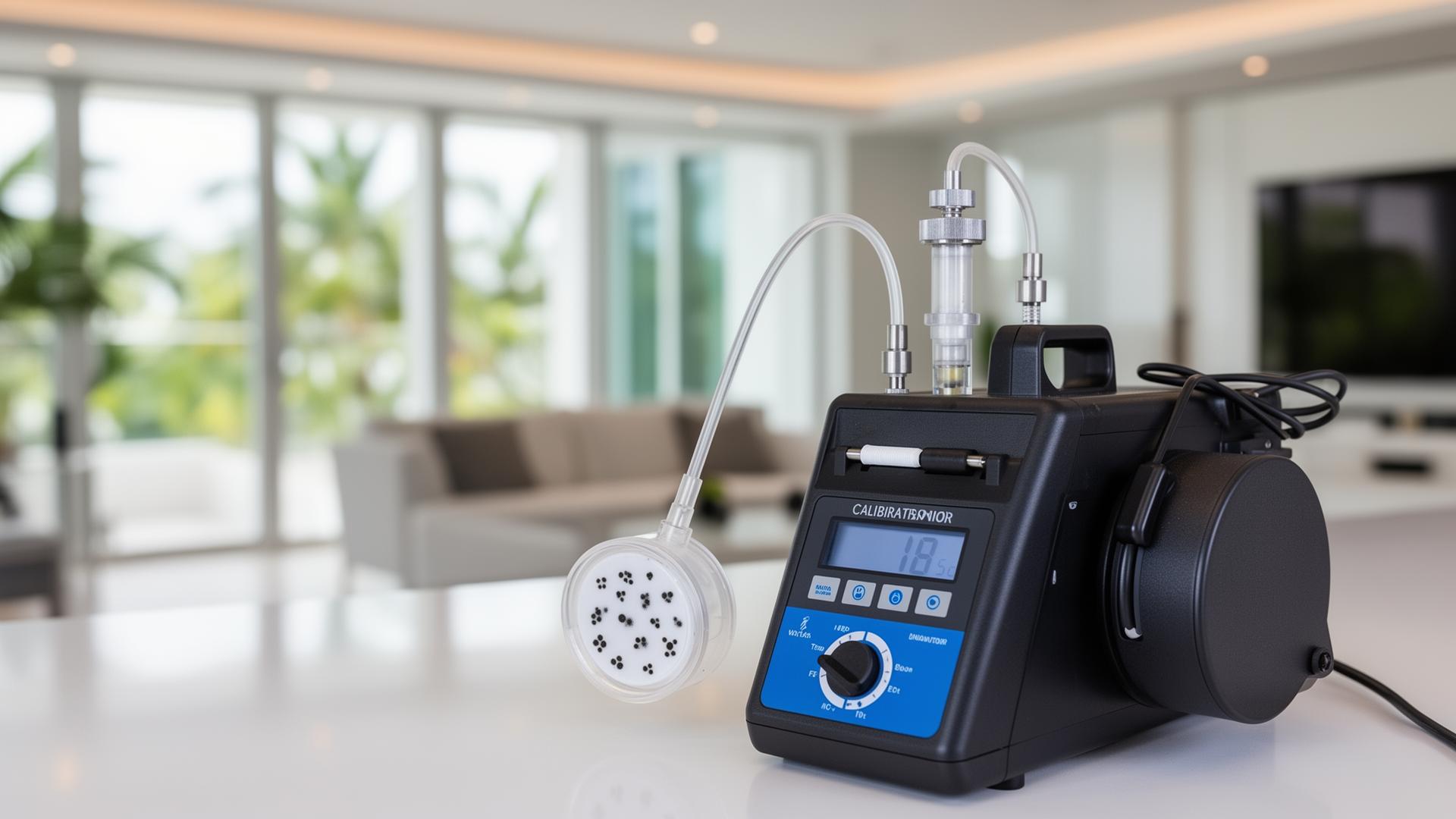
Post-remediation clearance provides a separate evaluation after cleanup. It can help document the condition of the treated area and identify concerns that need further attention.
When sampling is included, the assessor interprets the laboratory results alongside the inspection findings and the agreed evaluation criteria.
Clearance is more than comparing one indoor spore count with one outdoor number. The types of mold found, sampling locations and conditions at the property matter. Air samples describe conditions during collection; they do not guarantee that every concealed area is free of mold or that a new problem cannot develop.
Discuss the clearance requirements before the project is completed. The homeowner may request testing, or an insurer or other project requirement may call for it.
Miami Mold Remediation performs remediation and removal only; it does not perform mold assessments, sampling, laboratory testing or clearance. When an assessment or post-remediation clearance is needed, it is arranged and paid for separately with a licensed assessor of your choice, often the assessor who evaluated the property first. Our sister company, Miami Mold Assessment, is one option; both companies share a common parent, Miami Mold Authority.
Why Might Additional Work Be Needed?
Further evaluation or work may be needed when:
- Moisture remains or the source has not been fully corrected.
- Mold or affected materials remain within the area being evaluated.
- Additional affected areas become apparent as work progresses.
- Inspection or clearance findings identify a concern needing follow-up.
A concern found after cleanup needs to be compared with the original scope and the current conditions. It may involve incomplete work, an additional area or a new moisture problem.
Ask for a clear explanation of the finding, the proposed response and whether it falls within the agreed work. Changes to scope and price should be discussed before additional work begins.
For the sequence of containment, removal, cleaning and drying, see what happens during mold remediation.
Does Painting or Spraying Over Mold Solve the Problem?
Covering visible mold with paint does not resolve the underlying problem. EPA recommends cleaning up mold and drying surfaces before painting or caulking. Some affected porous materials may need removal because they cannot be adequately cleaned. EPA: Mold Cleanup in Your Home.
Applying a product is also not enough, by itself, to demonstrate that remediation is complete. Killing mold does not remove the remaining material, and it does not correct a leak or other moisture source. EPA: Cleanup and Biocides.
The appropriate work depends on the materials, their condition and the agreed scope. At Miami Mold Remediation, removal of affected drywall, insulation, flooring, baseboards or cabinets is included when specified in the quote.
Replacing drywall, painting and rebuilding are arranged with the contractor you choose.
What Records Help You Evaluate the Results?
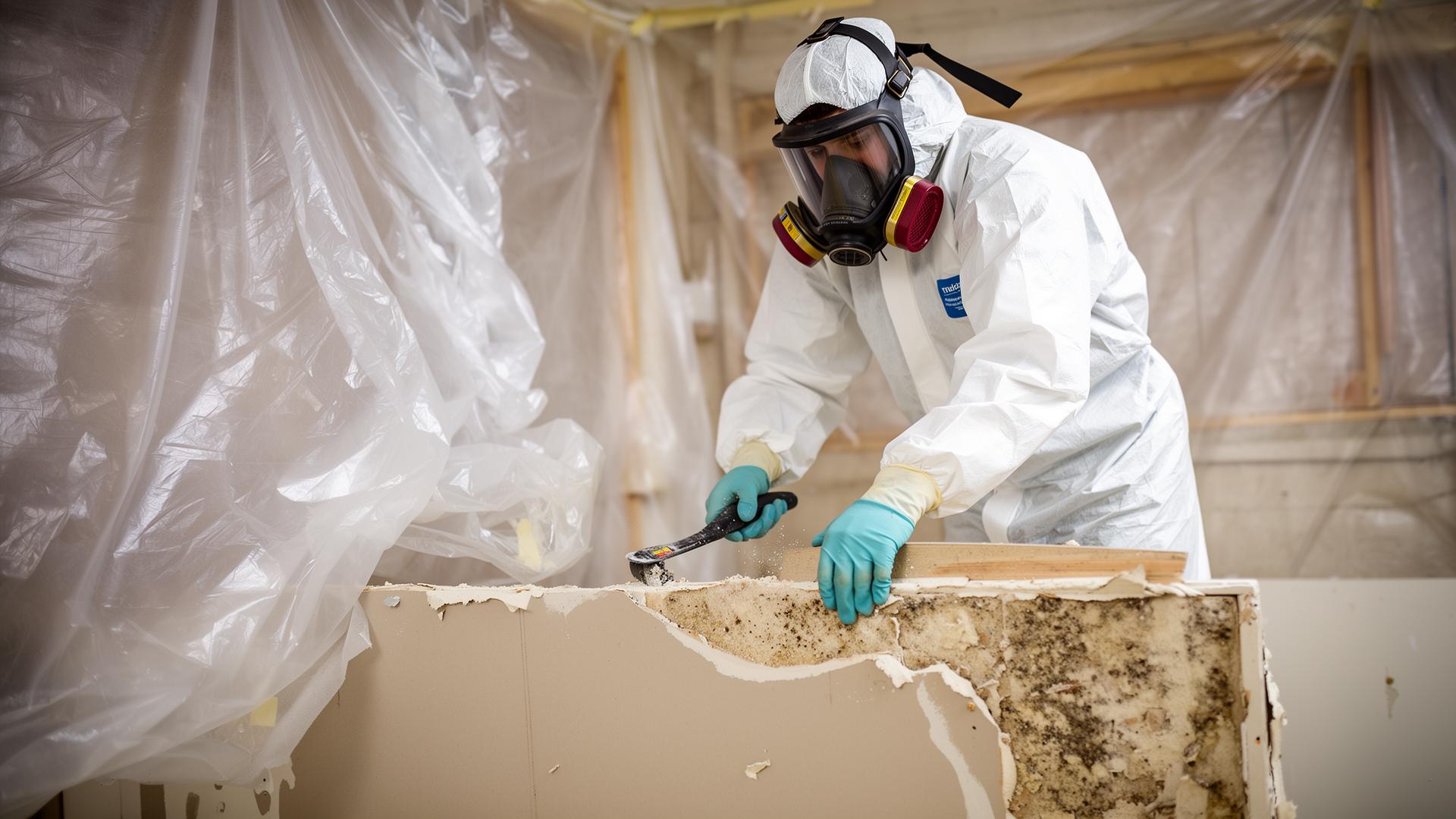
Keep the documents that show the original concern, the work agreed and the findings afterward:
- Initial assessment report and laboratory results, when an assessment was performed.
- Written remediation protocol, describing the recommended work for the documented conditions.
- Itemized estimate and agreed scope, identifying the areas and services included.
- Photographs and invoices, documenting the work.
- Clearance report and laboratory results, when separately arranged.
The remediation protocol gives the cleanup company a reference for the recommended work. The scope and completion records help you compare that recommendation with what was performed.
Miami Mold Remediation provides photos, an itemized invoice and relevant documentation for the remediation work we perform. Keep reports from any separate assessor or contractor with the same project records.
Frequently Asked Questions
Does remediation remove every mold spore?
No. Mold spores naturally occur indoors and outdoors. Successful remediation addresses the growth and affected materials while moisture control helps prevent further growth. It does not create a sterile building. EPA: Mold Basics.
Can mold return after a successful clearance result?
Yes. A new leak or unresolved moisture can support new growth. Clearance documents the conditions evaluated at that time.
For more detail about later problems, read why mold can return after remediation.
Does a remaining stain mean remediation failed?
Not necessarily. Mold can leave staining or cosmetic damage even after cleanup. A professional should evaluate a questionable area in the context of moisture conditions and the completed work; appearance alone does not establish whether active growth remains. EPA: Cleanup Tips and Techniques.
What if I still notice a musty odor after the work?
Report it promptly and explain where you notice it. A persistent odor in or near the treated area should be investigated alongside the moisture conditions and scope of work.
Contact the remediation company and discuss whether a separate assessor should evaluate the concern.
Trusted Resources
Related Guides
Discuss Your Remediation or Clearance Needs
Tell us what mold cleanup you need and share the areas of concern and any existing assessment report or remediation protocol.
Miami Mold Remediation serves residential and commercial properties throughout Miami-Dade County. Remediation receives a property-specific quote. Clearance testing is separately quoted.
Emergency remediation is available 24/7. After-hours and phased commercial work are available.