Miami-Dade property guide
Mold After Water Damage: What to Do
A leak, overflow or storm can leave moisture in walls, flooring and other building materials. Learn what to do next, when professional cleanup is needed, and how remediation addresses affected areas.
In this guide
Quick Answer
After water damage, control the water source safely and arrange prompt drying. If you notice suspected mold, persistent odors or moisture that has not been resolved, a professional assessment can help document the conditions and guide the next steps.
Miami Mold Remediation provides mold remediation and removal throughout Miami-Dade, with emergency remediation available 24/7. Every project receives a property-specific quote. Start with a free phone consultation.
How Quickly Can Mold Develop After Water Damage?
Wet building materials can support mold growth. The risk depends on the materials, moisture conditions and how long they remain wet.
The EPA recommends drying water-damaged areas and items within 24–48 hours to help prevent mold growth. This is a prevention target, not a guarantee that mold appears at a particular hour—or that a surface that feels dry is dry throughout. Read the EPA’s moisture and mold guidance.
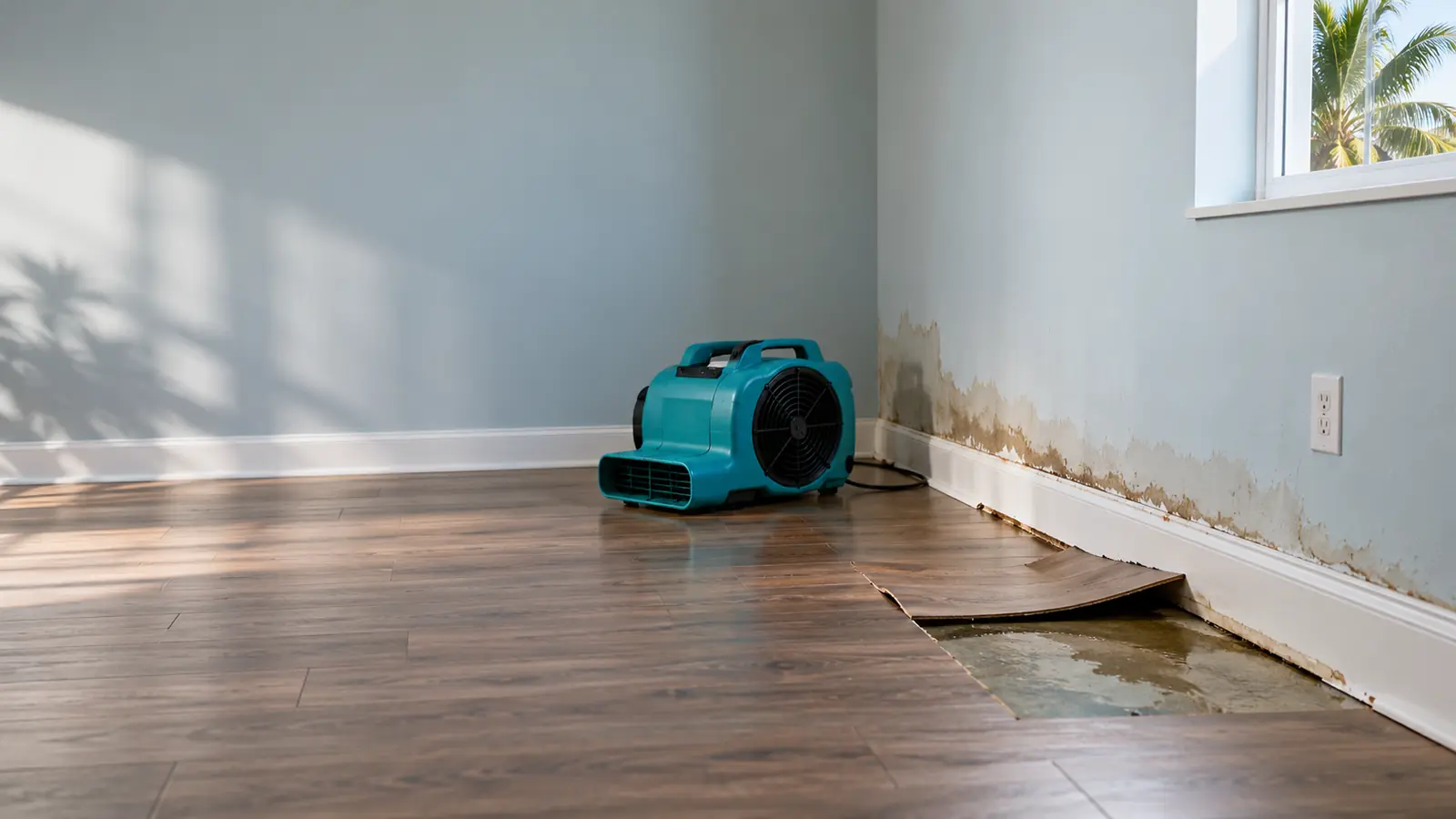
Water can reach behind drywall, under flooring and inside cabinets. Prompt drying and checking the affected materials matter even when the visible water is gone.
What Should You Do Immediately After Water Damage?
- Keep clear of immediate hazards. Avoid standing water near electrical equipment and areas with damaged ceilings or other signs of structural instability. Get qualified help when access is unsafe.
- Control the source if it is safe. A plumbing leak may require shutting off the water supply. Contact the appropriate professional for roof, plumbing or HVAC repairs.
- Arrange appropriate water removal and drying promptly. Floodwater or sewage requires a professional experienced with contaminated-water cleanup. Tell the provider what caused the damage and whether you have noticed mold.
- Document what happened. Take photos when safe, note when the damage was discovered, and keep repair records and receipts. Notify your property manager or insurer as appropriate.
- Get suspected mold evaluated. Avoid opening affected walls or disturbing suspected growth before the work is planned.
You can contact Miami Mold Remediation as soon as you discover the problem. Active water intrusion needs to be controlled before remediation proceeds. Depending on the situation, we may assist with temporary measures such as shutting off the main water supply or arranging a roof tarp. Permanent repairs remain the responsibility of the appropriate contractor.
What Are the Signs of Mold After Water Damage?
Watch for changes in the affected area, including:
- Persistent musty odors.
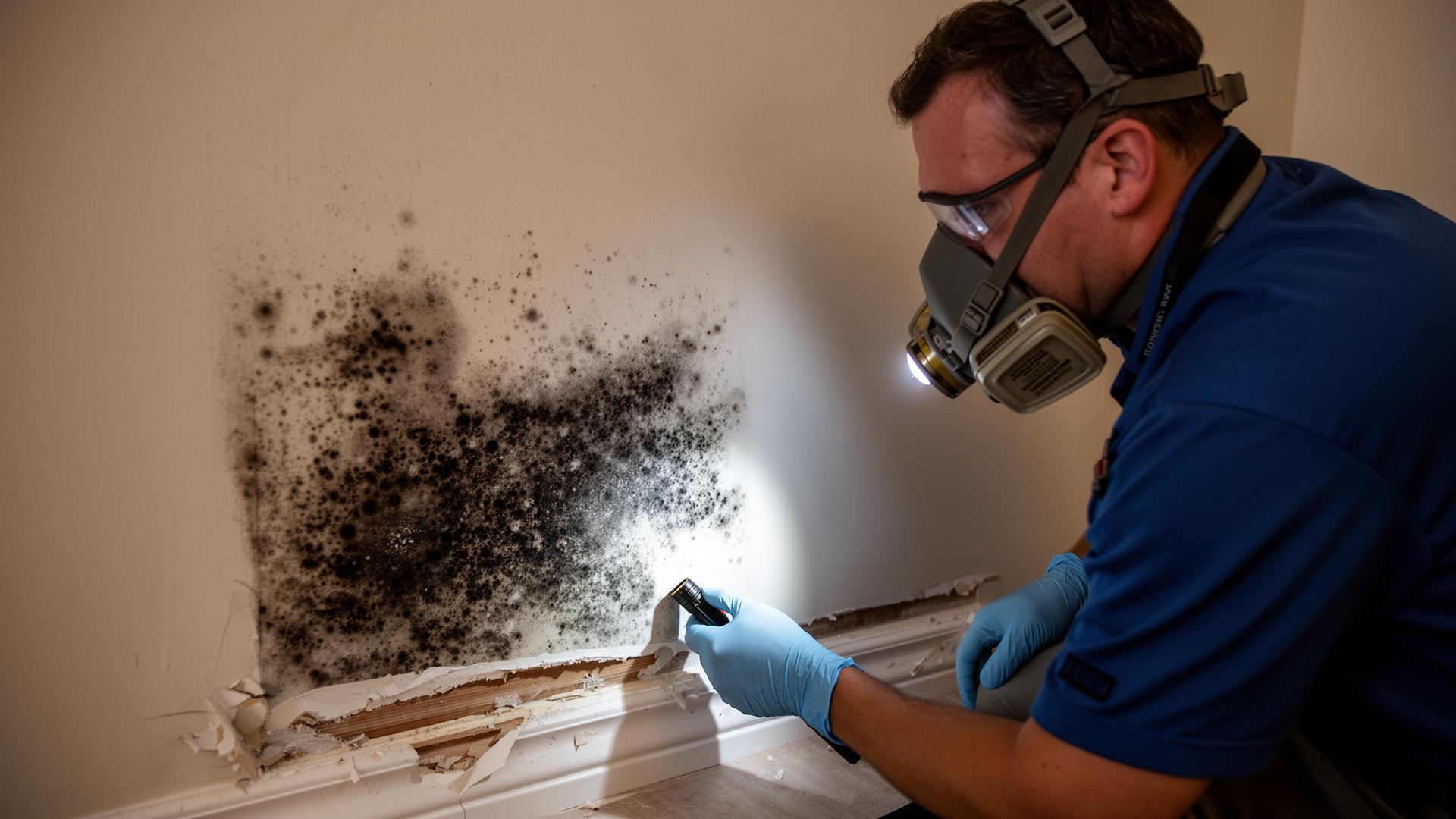
- Visible spots or suspected growth.
- Recurring discoloration on walls or ceilings.
- Peeling paint, swollen baseboards or warped flooring.
- Dampness that returns after the surface appears dry.
Some of these signs indicate water damage without proving mold is present. An assessment helps put the observations and moisture readings in context.
Tell your assessor about the original leak, which areas became wet and what drying or repairs have already been completed. See our guide to signs you need a mold inspection after a leak.
When Is an Independent Mold Assessment Useful After Water Damage?
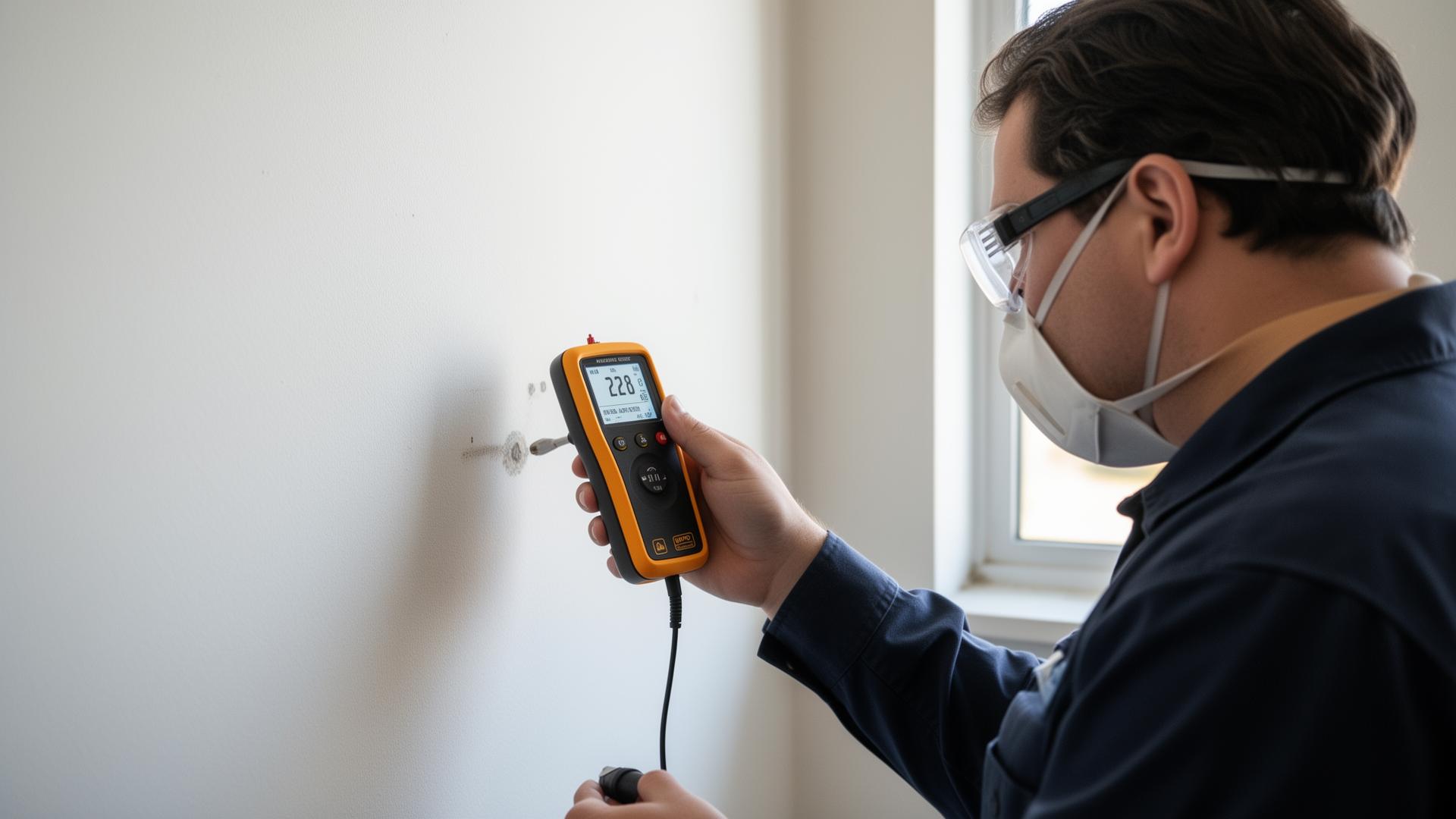
If suspected growth, lingering odors or unresolved moisture raise questions you cannot answer by looking, an independent assessment can evaluate and document the conditions before remediation decisions are made. An assessor may use visual evaluation, moisture readings, sampling and laboratory analysis, and may write a remediation protocol.
Miami Mold Remediation performs remediation and removal only; it does not perform mold assessments, sampling, laboratory testing or clearance. When an assessment or post-remediation clearance is needed, it is arranged and paid for separately with a licensed assessor of your choice, often the assessor who evaluated the property first. Our sister company, Miami Mold Assessment, is one option; both companies share a common parent, Miami Mold Authority.
If you already have an assessor's report or protocol, share it with us. We review it when preparing the remediation scope and quote. Learn more about mold testing in Miami from Miami Mold Assessment.
What Does Mold Remediation After Water Damage Involve?
Remediation addresses the affected areas according to the agreed scope. Depending on the property, the work may include containment, removal of affected materials, cleaning, drying and air filtration.
Affected drywall, insulation, flooring, baseboards or cabinets can be removed when included in the quote. Drying or air-filtration equipment may remain on site for several days, with monitoring and moisture readings as needed.
Two water-damage projects show how the approach applies.
A plumbing leak flooded a house. The team extracted standing water, removed wet and damaged porous materials, and dried the affected property, including walls, floors and framing. Moisture readings were checked day by day, and drying equipment was removed once those areas were dry. The goal was to reduce the risk of mold while the structure dried.
Storm damage opened a roof and let water into a property. The team used the same approach: extraction, removal of wet and damaged porous materials, structural drying, daily moisture readings, and removal of the equipment once the affected areas were dry. Roof repair itself stayed outside our scope; our work focused on drying the property to reduce the risk of mold.
Both were water-damage projects intended to reduce the risk of mold growth; neither example describes confirmed mold growth or a clearance result.
Post-remediation clearance is not part of our remediation quote. If you want clearance, arrange it separately with a licensed assessor of your choice. We review the assessor's findings against the agreed scope and return to address additional corrective work needed to complete that original scope.
Our work covers the agreed removal and remediation. We do not replace drywall, paint, rebuild, make permanent plumbing or roof repairs, or clean inside HVAC equipment or ducts; you choose the contractors for repairs and reconstruction. If an AC issue caused the damage, we can remediate the affected property while an HVAC specialist handles the equipment and ducts.
For scope and scheduling details, visit our mold remediation service page.
Does Insurance Cover Mold From Water Damage?
Coverage may apply when mold results from a covered loss, but your policy’s terms, exclusions, limits and deductible determine what is payable. Ask your insurer to confirm coverage for the specific event. Florida’s homeowners insurance toolkit explains that mold coverage varies by policy.
You pay Miami Mold Remediation directly. We do not bill insurers or handle claims. We provide photos, an itemized estimate or invoice and relevant work documentation for you to submit to your insurer.
Read our mold insurance coverage guide. For questions about owners, tenants or associations, see who pays for mold remediation.
Trusted Resources
Related Guides
Frequently Asked Questions
How long after water damage can mold start growing?
Mold can develop while materials remain damp. There is no single timetable for every property. Act promptly: the EPA recommends drying affected areas and items within 24–48 hours to help prevent growth.
Should I get a mold assessment after water damage if I cannot see mold?
An independent assessment can help if odors persist, moisture remains unresolved, or water reached concealed areas and you are unsure about the conditions. Assessments are arranged separately with a licensed assessor; Miami Mold Remediation does not perform sampling or testing.
Can quick drying prevent mold after a leak?
Prompt drying can reduce the likelihood of mold growth. It is also important to correct the source and check materials that may hold moisture. Drying alone does not remove mold that has already developed.
What types of water damage can lead to mold?
Plumbing leaks, roof leaks, appliance overflows, AC-related moisture and flooding can leave materials wet enough to support mold. The source, extent and duration of the moisture help determine the response. Floodwater and sewage need specialist cleanup because of contamination concerns.
Do I need mold remediation after every water-damage event?
The work depends on the conditions found. Water damage calls for prompt moisture control and drying; evidence of mold may call for remediation as well. An assessment can help define the affected areas and recommended scope instead of relying on the age of the leak alone.
Does homeowners insurance cover mold after a leak?
It may, if the mold resulted from a covered loss and your policy provides applicable coverage. Confirm the details with your insurer. Miami Mold Remediation provides service documentation for your claim; coverage and reimbursement are determined by your policy and insurer.
Get Help With Mold After Water Damage in Miami-Dade
Tell us what happened, which areas were affected and whether the water source has been controlled. We can discuss the next step and confirm the remediation scope and quote.
Every remediation project receives a property-specific quote. Start with a free phone consultation at (786) 829-7088.
Free phone consultations are available. Emergency mold remediation is available 24/7.